Lifestyles of the AI-Native: WorkOS at the AI Engineer World's Fair 2026
A recap of WorkOS at the AI Engineer World's Fair 2026: an overflowing workshop, a founder mainstage talk, and two engineering talks on shipping with agents.

The WorkOS team spent the week at the AI Engineer World's Fair 2026 in San Francisco. Between a workshop that ran out of room, a mainstage talk, a run of founder interviews at the booth, and two engineering talks about shipping real software with agents, the through-line was simple: the interesting problems have moved past "can an agent write code" and into "how does a whole organization actually operate this way?"
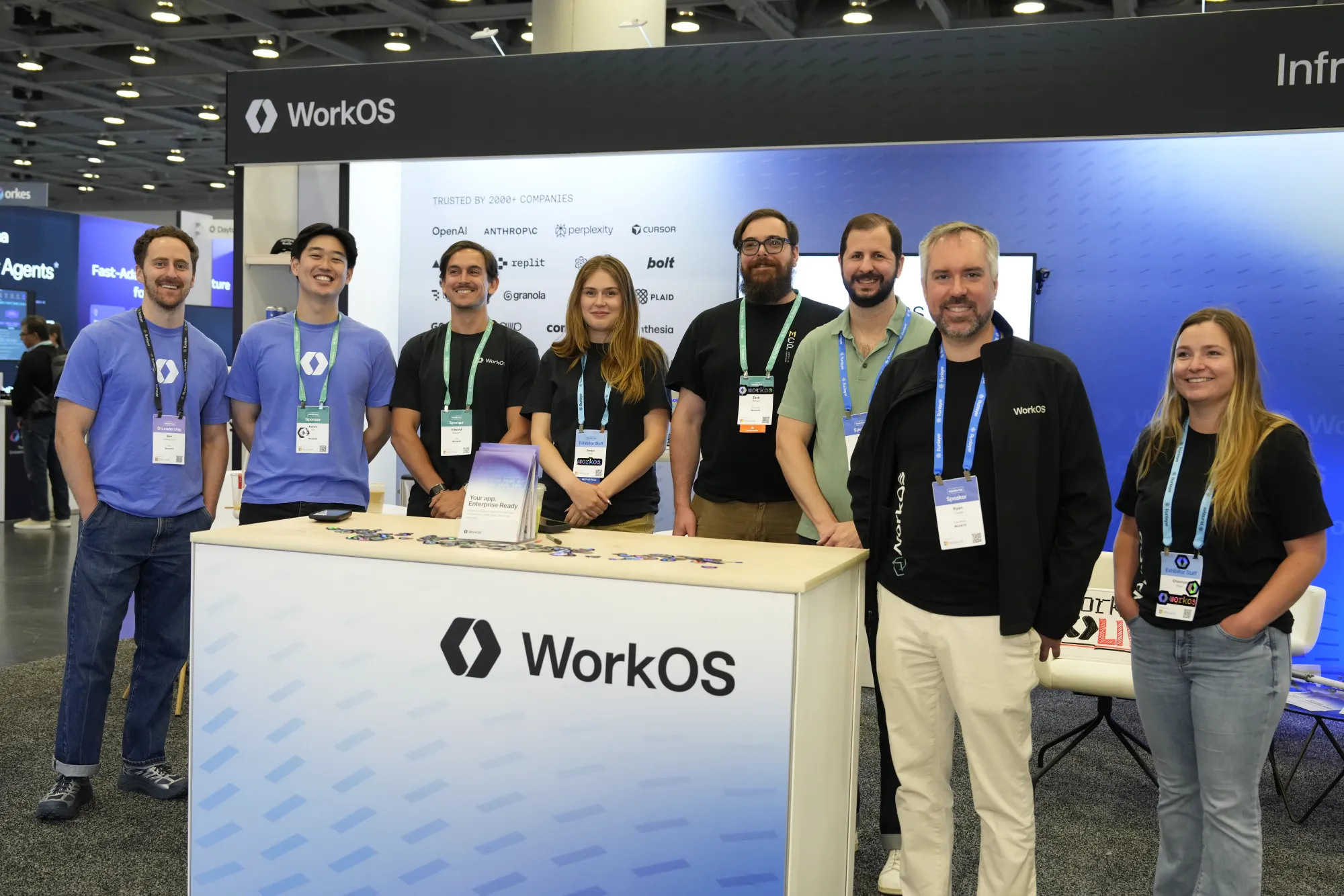
Here's what the week looked like.
The workshop that overflowed
Nick Nisi and I taught a one-hour hands-on workshop, "Lifestyles of the AI-Native". It overflowed — people were waiting outside to get in.
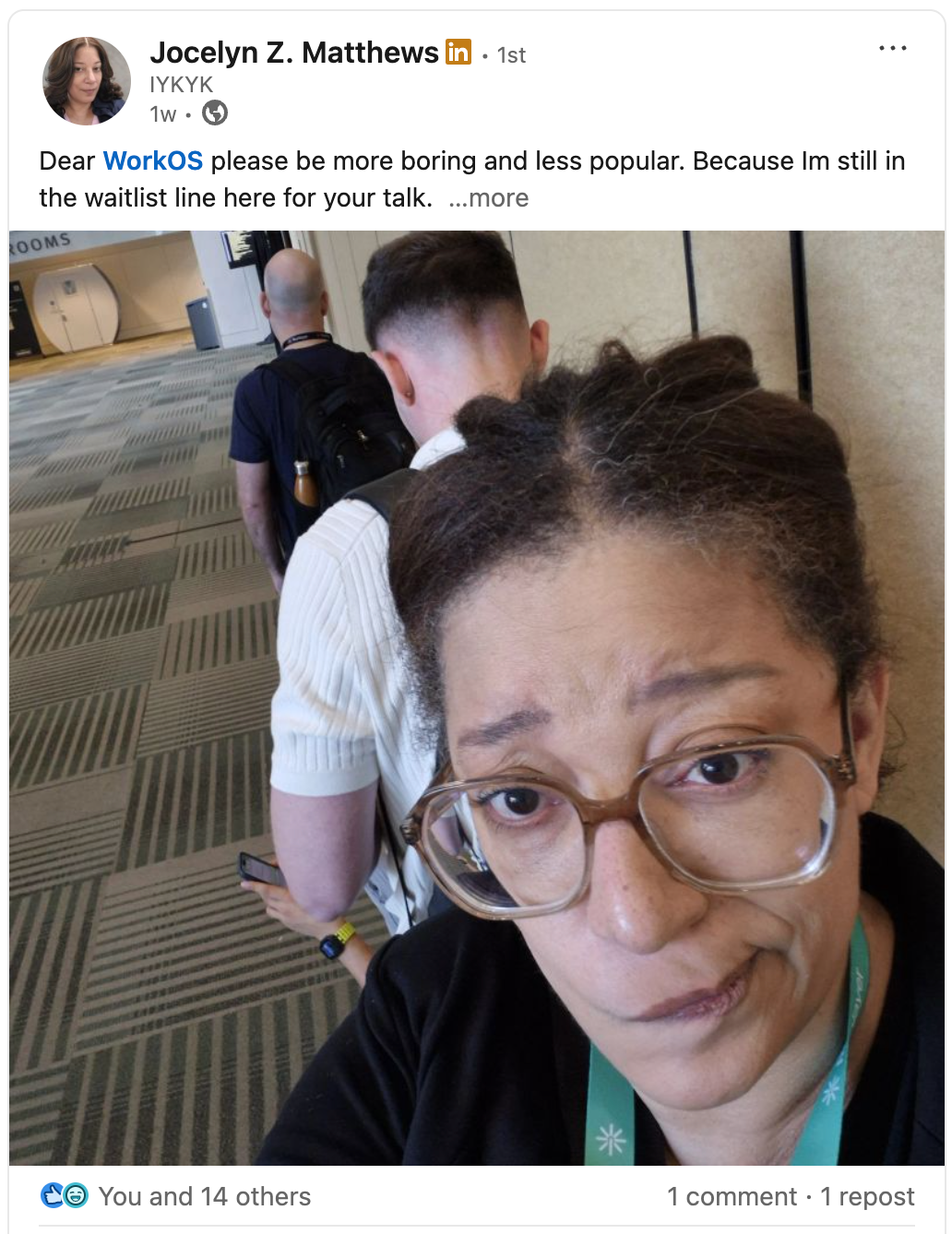
We ran it at Moscone West under a single thesis: stop typing, start operating.
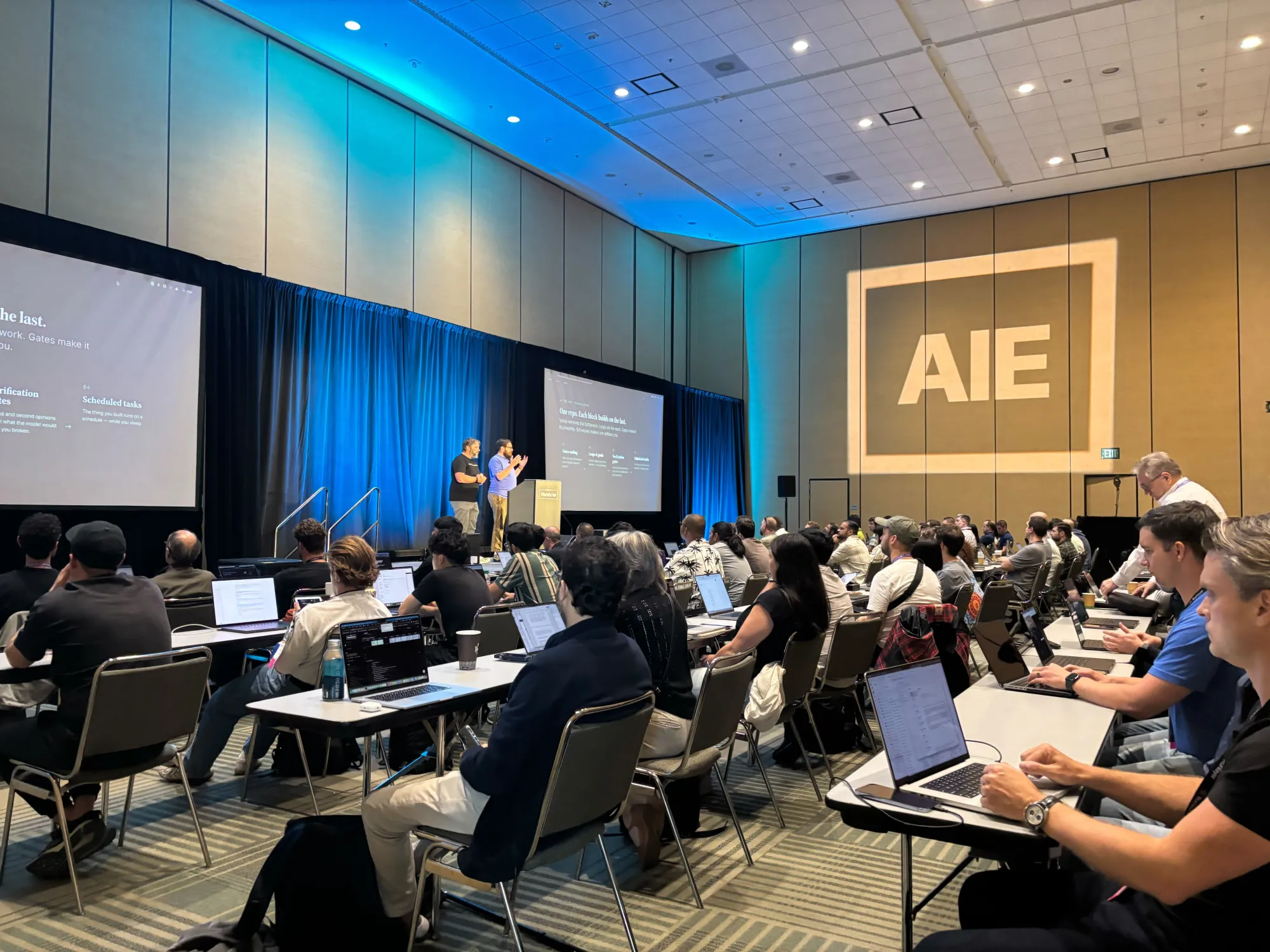
The frame we opened with is that most engineers using AI coding tools today nurse one agent along, while operators run a fleet. Closing that gap in an hour meant four blocks, each building on the last in one repo: voice coding, loops and goals, verification gates, and scheduled tasks.
Voice coding came first because the bottleneck is your hands. Typing runs around 90 words per minute; speaking runs 184 or more, roughly double the throughput to the agent. We used Handy for the voice layer: free, open source, and fully on-device via Whisper/Parakeet, so nothing routes to a cloud service and it works offline.
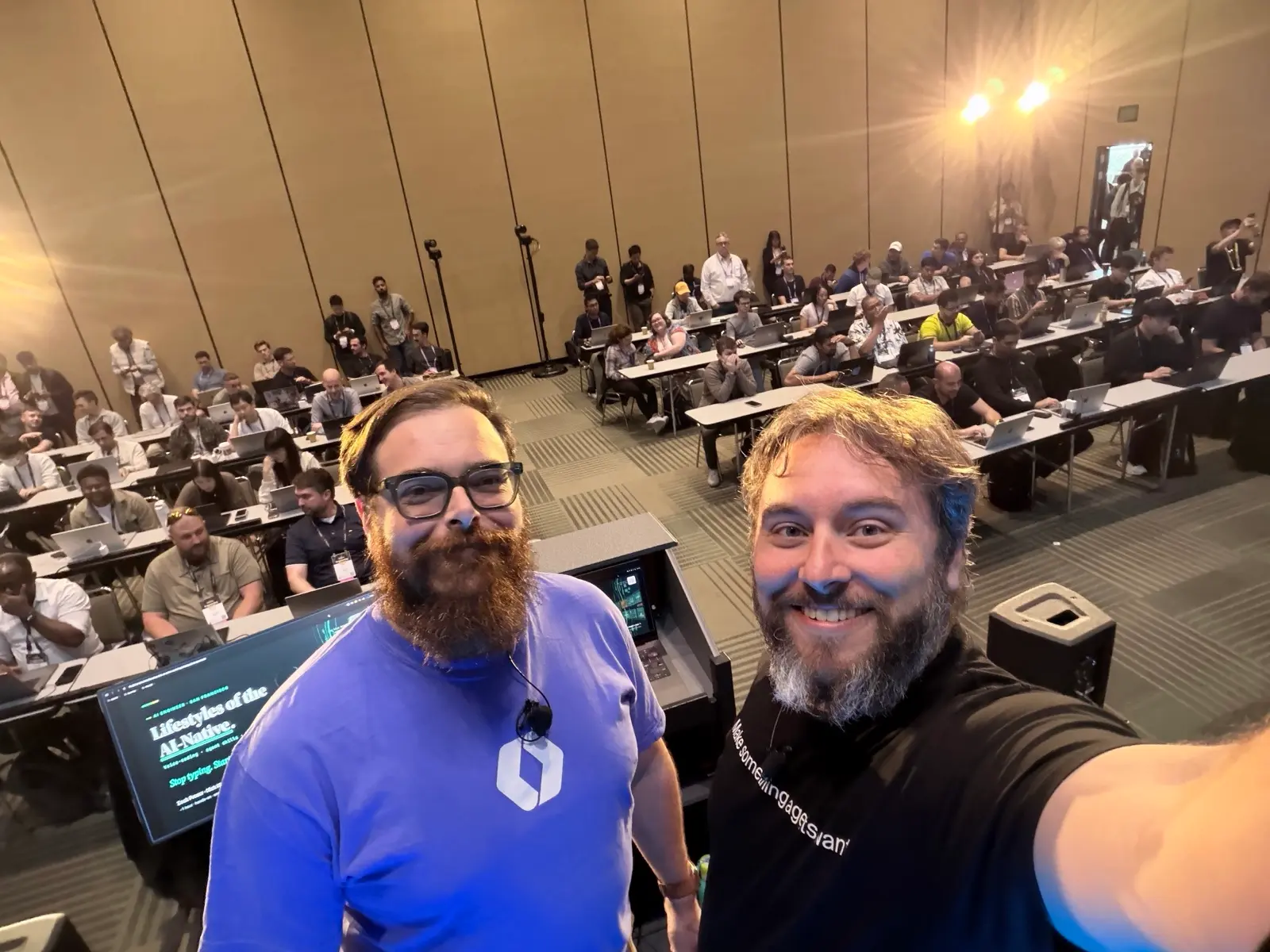
From there the blocks stacked. The mental model underneath everything is that an agent is a model in a loop: it thinks, acts, observes the result, and decides the next step until it decides it's done. We taught two commands to run that loop unattended. /goal is bounded, iterating until a condition holds then stopping. /loop is recurring, repeating on a timer or self-pacing.
Verification gates wrapped the agent in checks it can't skip: a hook that lints, typechecks, and tests on every change, plus an adversarial review that fans a diff out to a second model. The last block, scheduled tasks, used /schedule to stand up a persistent cloud routine that runs on its cadence even when your machine is off.
Every attendee left with voice coding working on their machine, a repo wired with hooks and verification gates, and a scheduled task that will still be running Monday morning without them.
Showing the room its own data
The moment that landed hardest wasn't anything Nick or I said. It was the projector. A live board rendered the room's check-in data in real time: where the toil was, what to automate, and the engineering hours per week the room reclaimed.
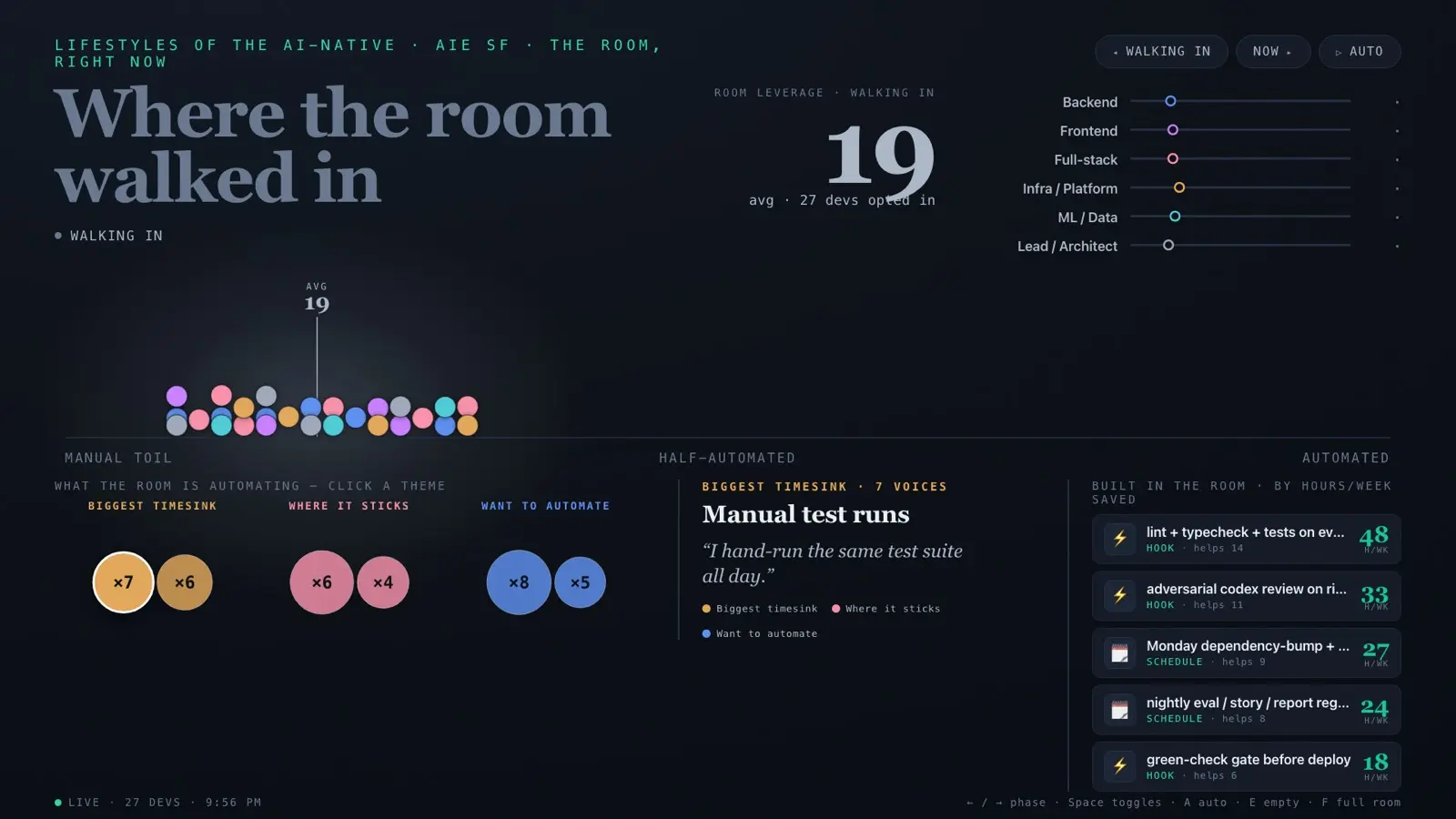
At the open, attendees ran a check-in and the board lit up with the room's collective toil clustered by theme. At the close they checked in again and watched their dots migrate from "manual" to "automated" while a counter totaled the hours per week they'd just reclaimed.
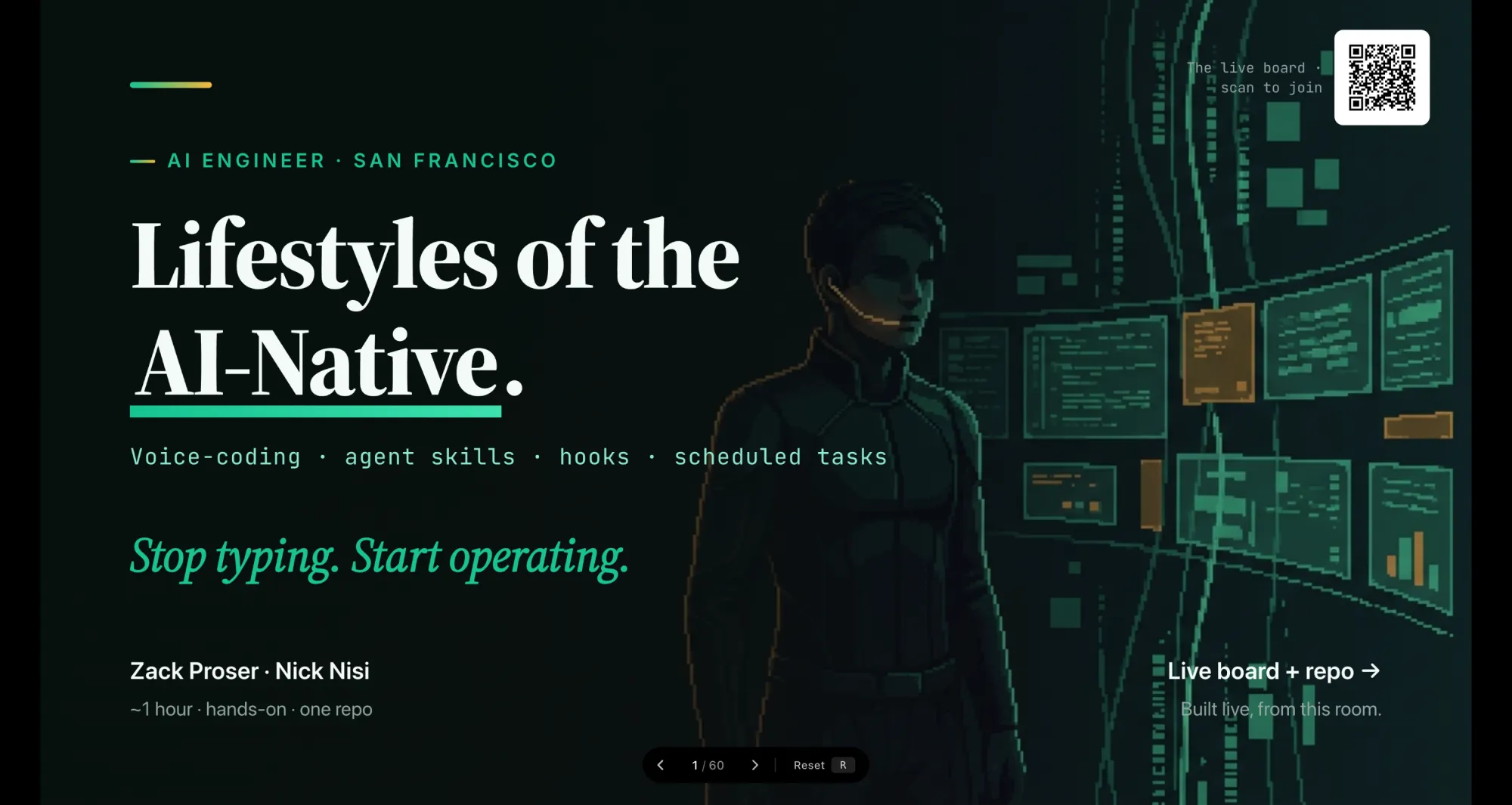
That was one piece of a bigger build. The deck was HTML deployed on a Cloudflare worker with its own animation engine and pixel art, running at the edge, so every attendee followed along on their phone from a QR code.
A coach — a local MCP server in the repo — interviewed attendees, scored how AI-native their setup was from a local scan, and fed the board; it was opt-in and anonymous, and only confirmed answers and score numbers ever left the machine.
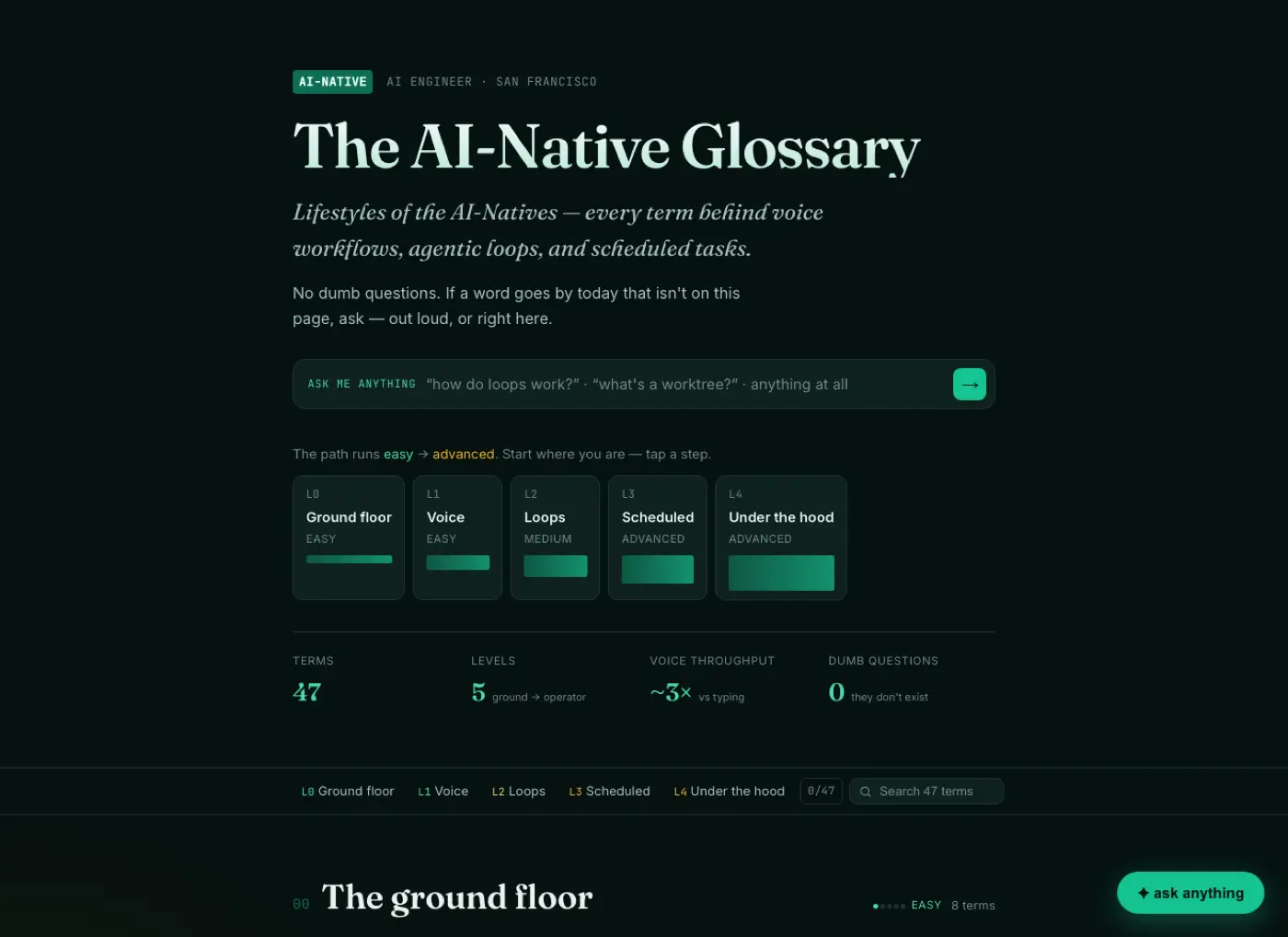
A glossary app answered questions behind a chat interface during and after the session, and a playground of pre-built exercises with failing checks gave every activity a verifiable finish line.
swyx, who founded and runs the AI Engineer conferences, told us our workshops are the gold standard for AI Engineer content, and asked for our help raising the bar across the event so other presenters can deliver workshops that land the same way.
The principles behind that are not secrets: ship the workshop as a product, make the room do the work, show people their own data, and build everything to keep running after the hour ends. The whole thing is public — curriculum, playground exercises, skills, and the live board and glossary apps — at github.com/workos/aie-ai-native-workshop.
Michael on the mainstage, and the booth
WorkOS founder Michael Grinich gave a talk on the mainstage.
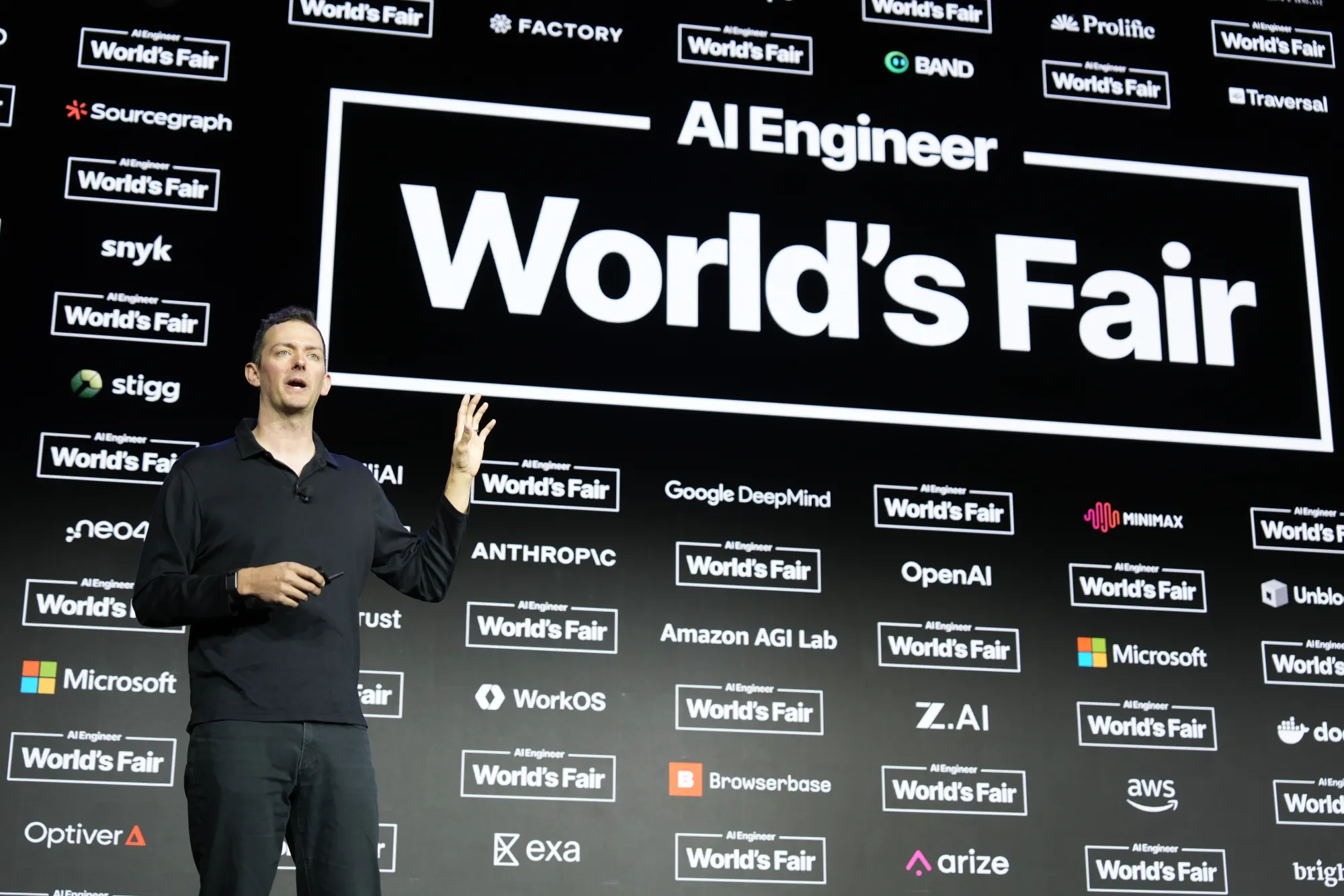
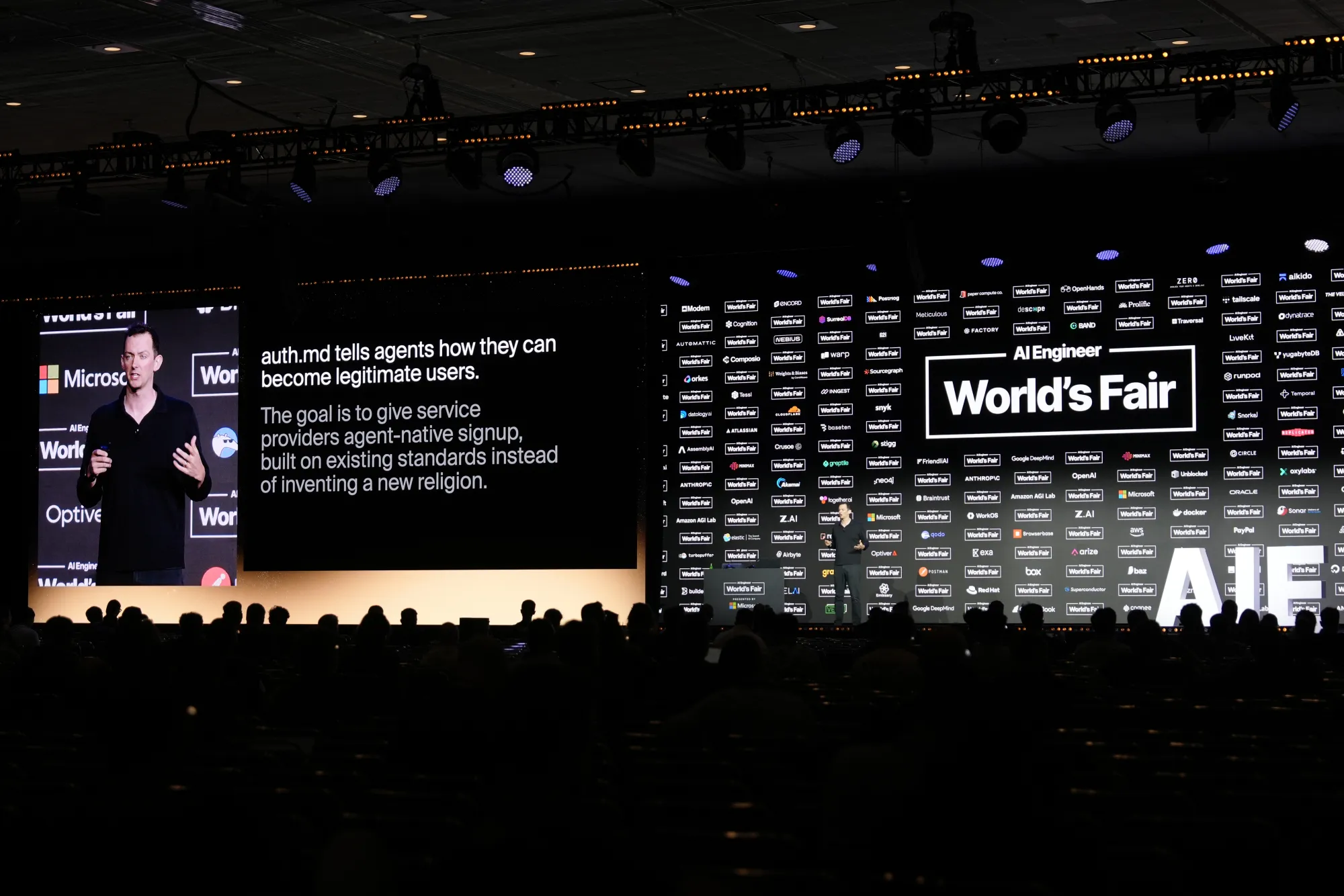
Michael's talk was titled: Auth for Agents: Unblock Autonomous AI with auth.md.
The crux was that AI agents are ready to act on users' behalf, but legacy auth flows were built for humans, not agents. Michael re-introduced auth.md, an open protocol that lets agents register and authenticate users without sign-up forms, and shares what early implementers have learned since launch.
Learn about the new protocol that Cloudflare, Firecrawl, and Monday.com are adopting to power agent registration — authenticating agents without sign-up forms.
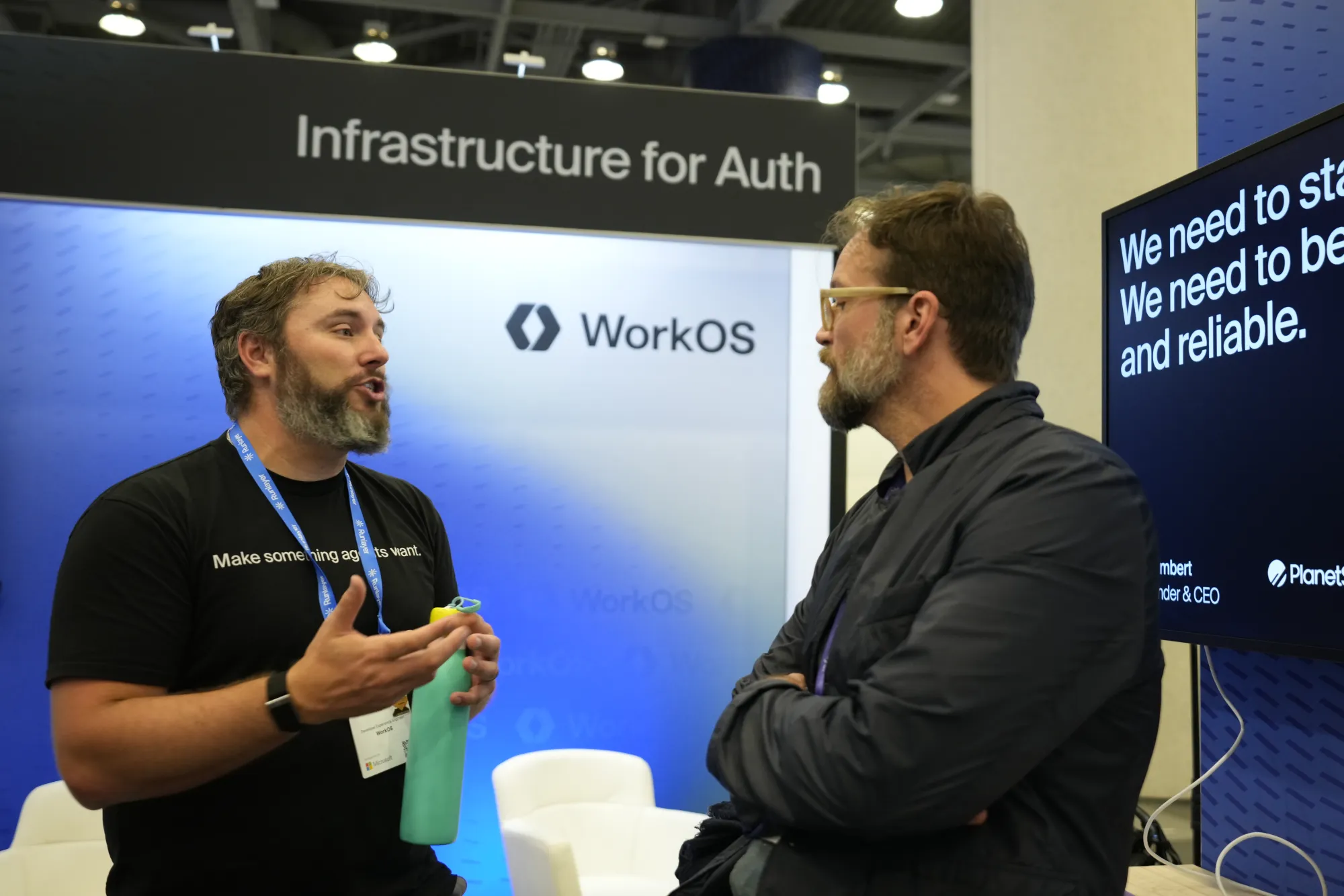
Between sessions he ran nonstop interviews with top founders at the WorkOS booth, which sat at Moscone West under the "Infrastructure for Auth" backdrop.
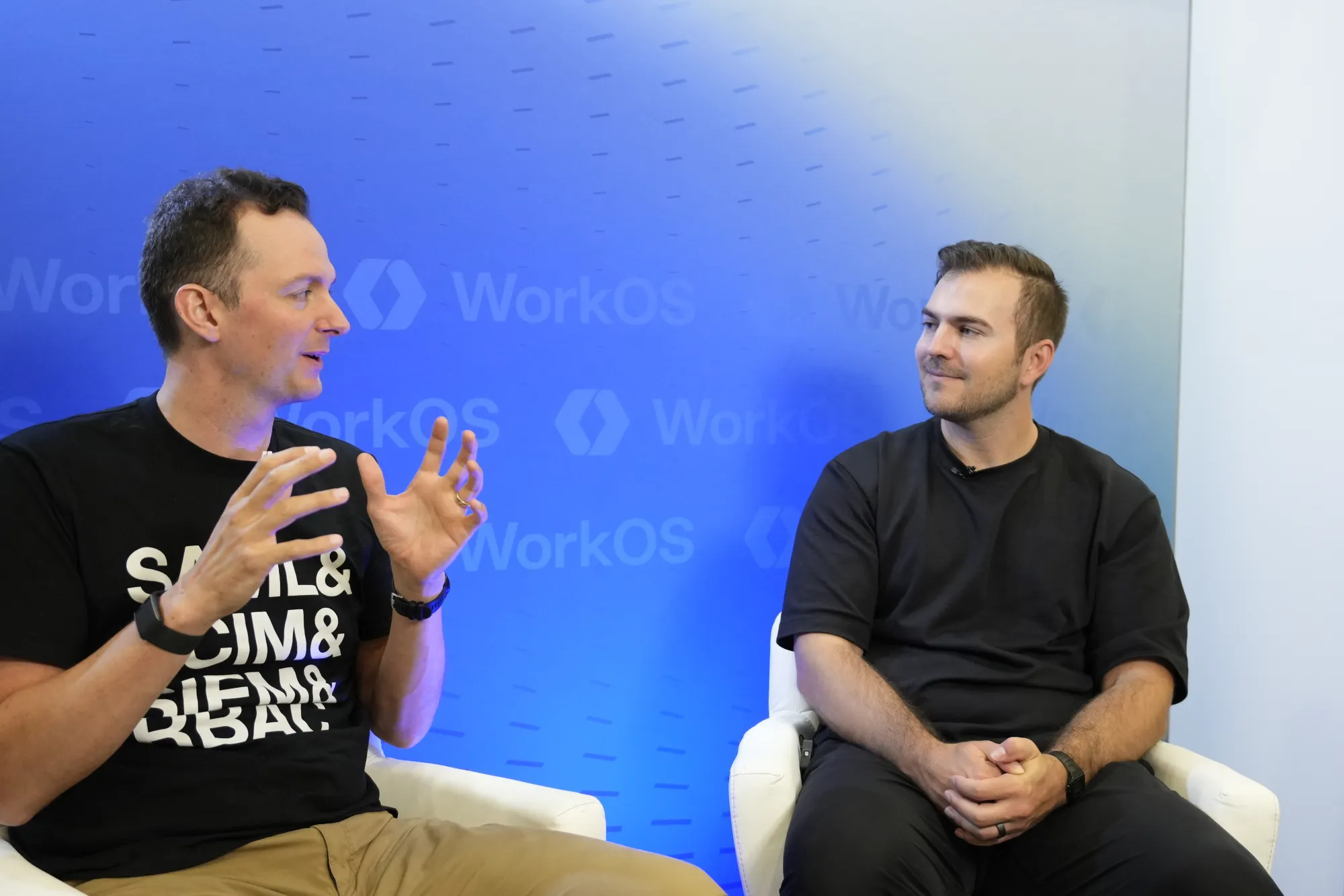
Garrett Galow: an agent harness for the business, not the builder
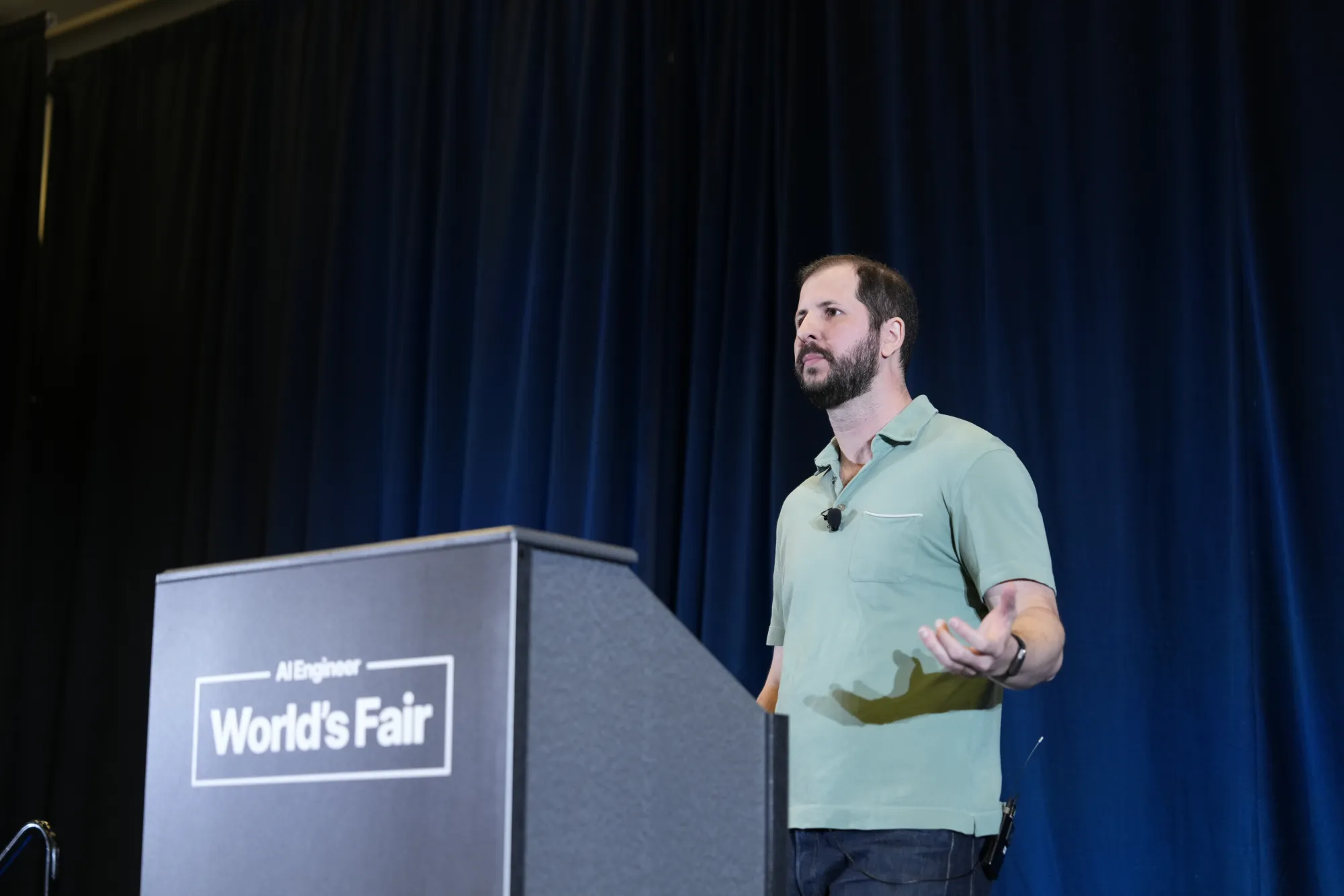
Garrett Galow's talk, "Building an Agent Harness for the Business, Not the Builder," took on a problem most companies know well: internal tooling dies in the gap between the people with problems and the people who can write code. His answer was Studio, a system that lets a non-technical employee describe a business problem and get a working tool back, connected to real enterprise data, deployed and shareable across the company, without filing a ticket or learning to code.
The hard part is what that shifts onto the harness. A harness built for non-engineers has to absorb everything an engineer normally handles: data source connections and their permissions, turning model output into real software instead of a chat box, and deployment and sharing that doesn't open a security hole every time someone ships. The talk walked through the engineering decisions that keep it holding together when the person driving it has never opened a terminal.
Ryan Cooke: "No, that's not a software factory"
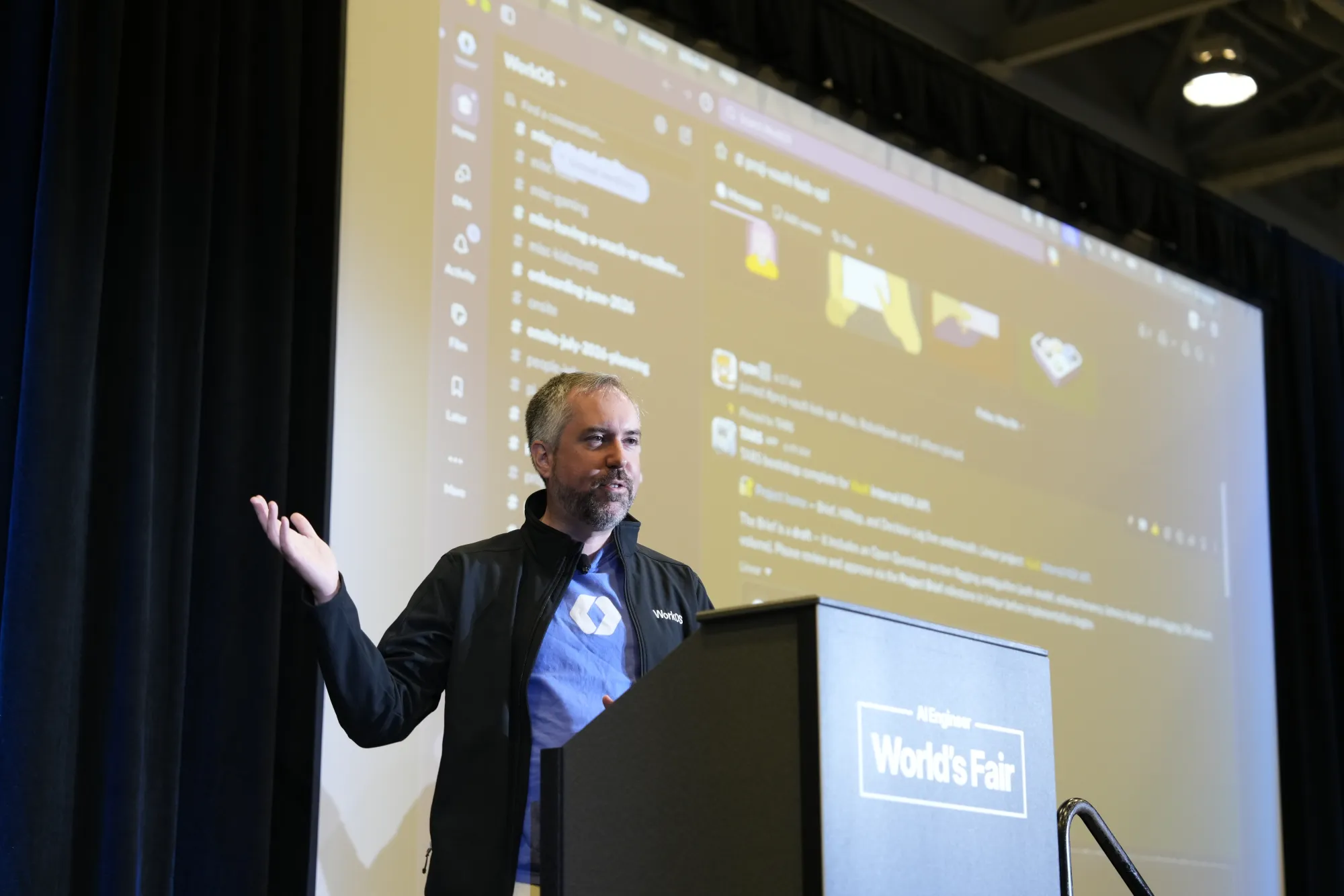
Ryan Cooke's talk, "No, that's not a software factory," pushed back on the industry's favorite demo: drop an agent in a sandbox, point it at your repo, watch it ship code. Drawing on Project Horizon, his argument was that a sandbox isn't a software factory. Infrastructure is only the first challenge, and what actually matters is encoding how your org builds software — the way work gets planned, scoped, and verified, and the conventions and judgment calls that define your engineering culture. At WorkOS, the product engineering process served as the blueprint for every agent workflow built in Horizon.
The through-line
Four talks, one idea. Whether the driver is an engineer running a fleet of agents, a non-technical employee describing a tool they need, or an org standardizing how agents ship code, the payoff doesn't come from the model alone. It comes from the harness around it: the gates, the conventions, the definitions of done, the process an organization already trusts. That's the part we spent the week building and talking about, and it's the part that keeps working after the conference floor clears.
The workshop repo is open if you want to run the whole thing yourself: github.com/workos/aie-ai-native-workshop.