August Updates
Agent Registration, Airlock, Relay, iOS & Android SDKs, & more

Agent Registration

Agents are knocking on your product's door and bouncing off browser auth built for humans. Agent Registration turns that traffic into signups using auth.md, the open protocol for agent registration now built into AuthKit.
Enrolling via the WorkOS dashboard creates an auth.md file that agents read and use to register for scoped, short-lived credentials. You control what an agent can do at every step.
Airlock
Airlock is the authorization layer for AI agents. It sits between your agents and the services they connect to. It evaluates every call against the agent's task and your rules, then allows it, denies it, or routes it to a human for approval. Write policies in plain language, apply them to every agent in your organization, and get a full log of every request and verdict. Agents never see provider credentials. Airlock works with coding agents like Claude Code and Codex, MCP gateways, and Atlas.
Airlock is in early access. Request access and tell us what you're building, or watch the demo.
Relay
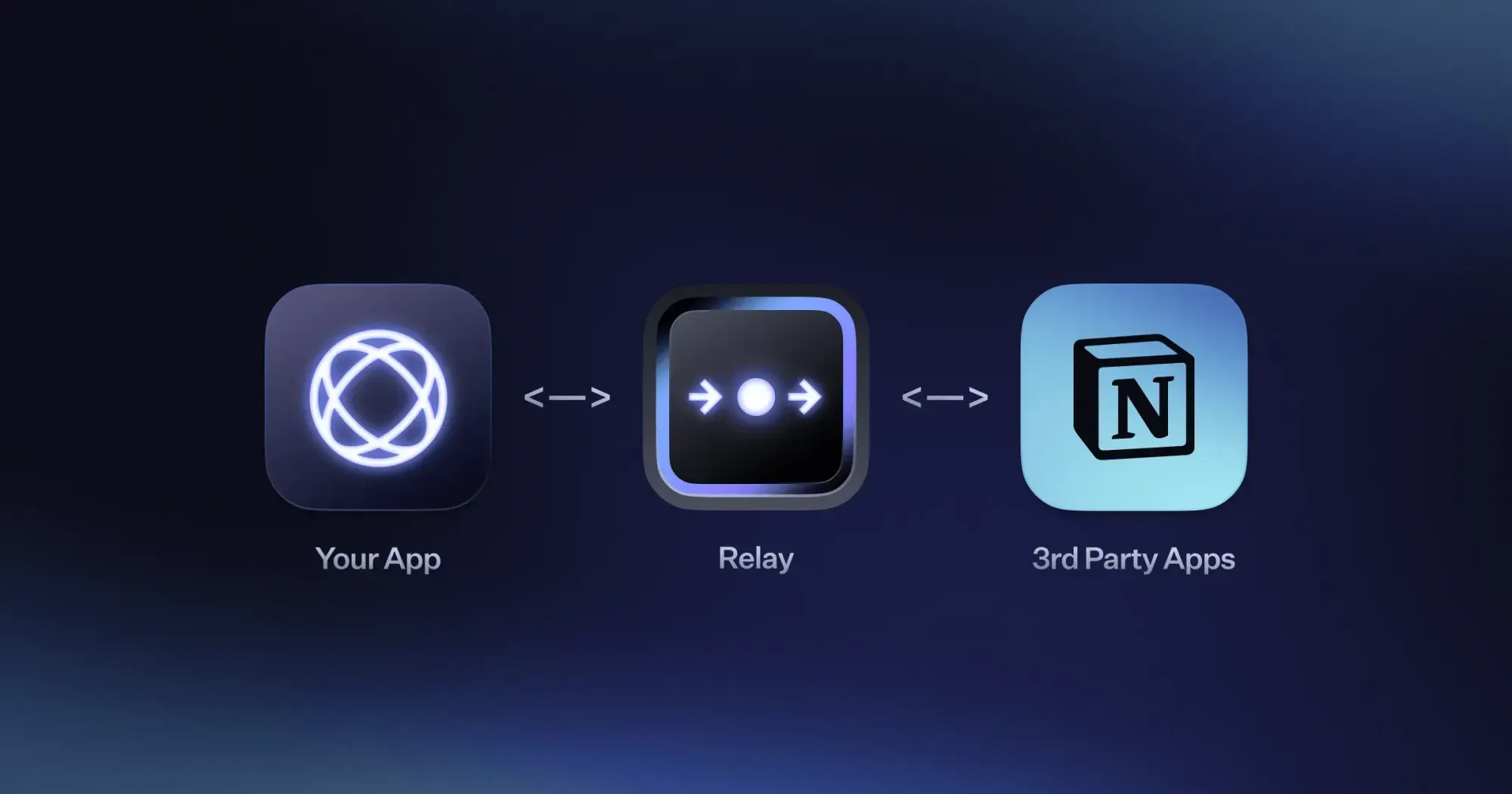
Relay allows you to call third-party applications on behalf of your users without directly handling secrets. Requests to third-party applications proxy through WorkOS where the third-party credential is automatically swapped in based on the user and organization context. Contact support over email or Slack to get access.
Native SDKs for iOS and Android
We're introducing our first native mobile SDKs for iOS and Android, written in Swift and Kotlin.
Both SDKs give you async-first access to AuthKit and the entire WorkOS API. On iOS that means async/await; on Android, coroutines. Each comes with generated, strongly typed resource APIs, structured error handling, and safe retry behavior, and auto-pagination uses the idiomatic tool on each platform: AsyncSequence on iOS, Kotlin Flow on Android. Because mobile apps are public clients, PublicClient only requires your application's client ID. No API key or client secret is ever embedded in your app.
To get started:
- iOS: add
https://github.com/workos/workos-ioswith Swift Package Manager. - Android: add
implementation("com.workos:workos-android:0.2.1")from Maven Central, then see the API documentation.
iOS SDK repo → | Android SDK repo →
User Groups
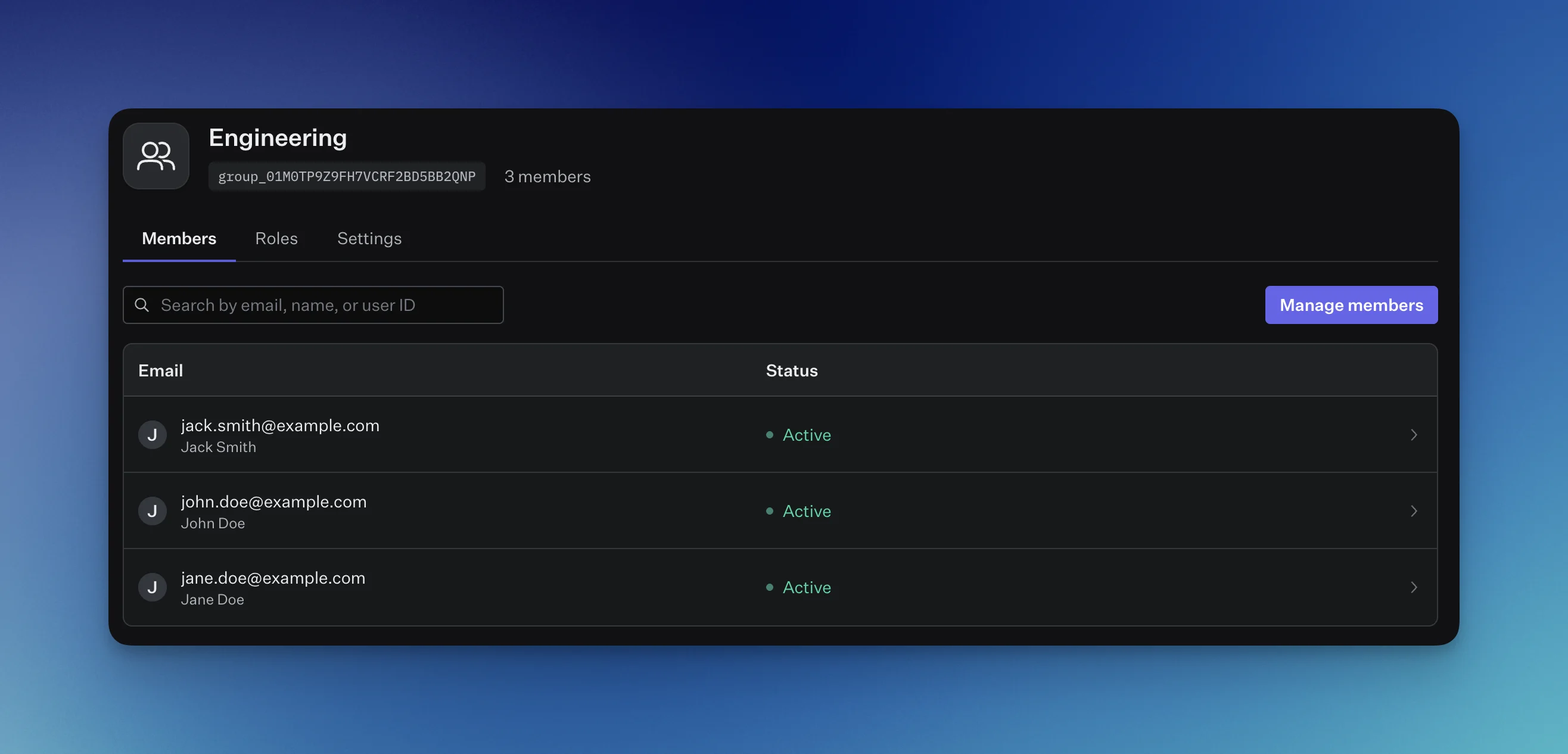
You can now manage Groups directly in the WorkOS Dashboard. Each organization has a Groups tab where you can create groups, add and remove members, and delete groups.
You can assign roles to a group, so that every current and future group member gets that role automatically. This avoids the need to set roles individually to each user.
Events
init() by WorkOS
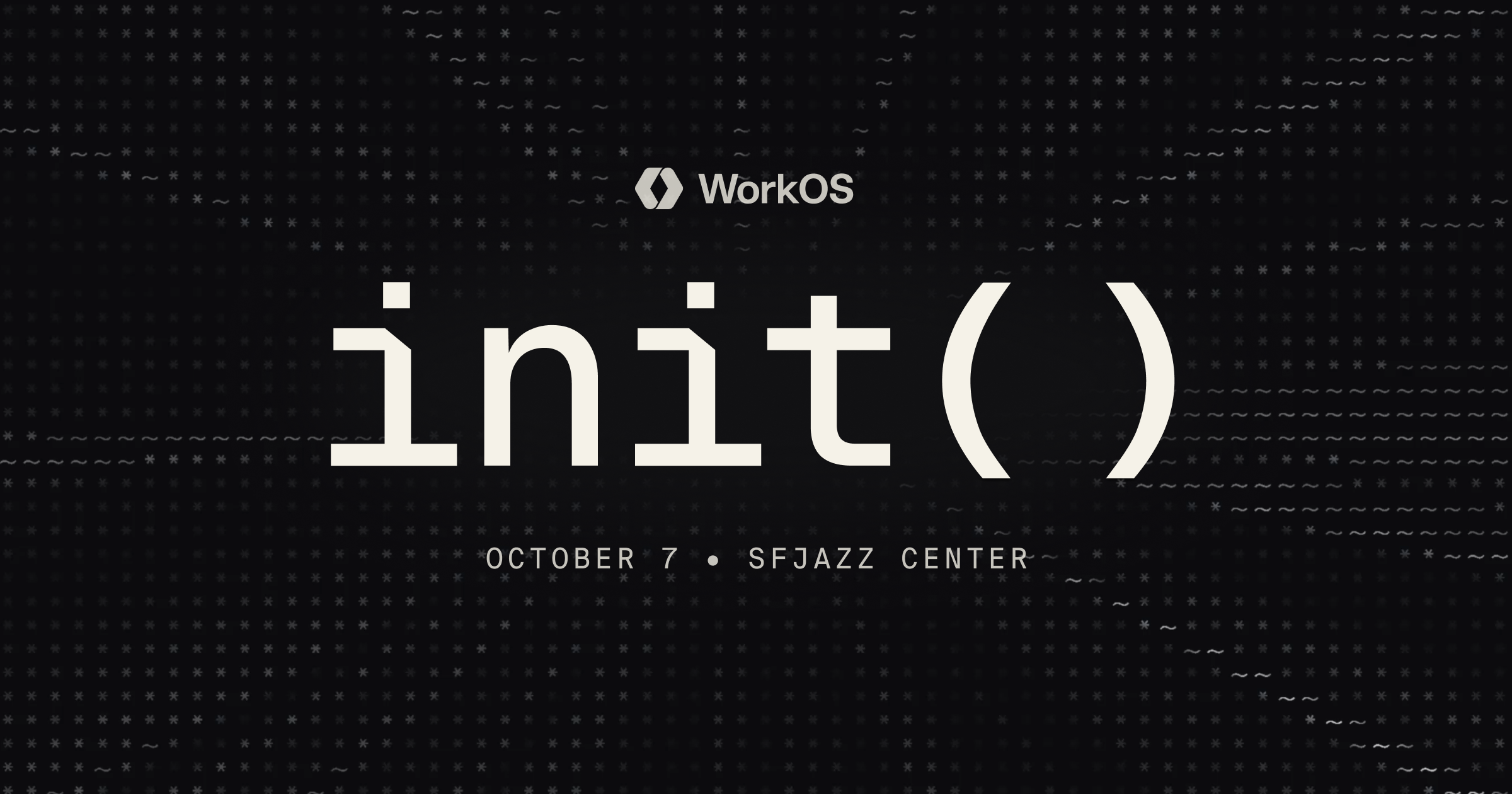
WorkOS presents init(): the conference for builders.
Join the founders, engineers, and technical leaders shaping what’s next. Hear how the best teams are building with AI, shipping ambitious products, and turning new ideas into reality.
San Francisco. October 7th. SFJAZZ Center.
WorkOS Agent Night
Jaya Gupta, Flo Crivello, and swyx sat down with Michael Grinich to debate whether AGI has arrived, why open source models are winning, and what changes by December.
More featured content
- Share your feedback and help us prioritize what we improve and build next.
- Try Atlas, an AI teammate that works alongside your team in Slack.
- Migrate existing SCIM connections to WorkOS via SCIM Bridge, a reversible proxy with zero downtime and safe rollbacks.
- Learn how to test full login flows in CI without a single call to the live WorkOS API.