The Agentic AI Foundation: Competitors Building the AI Standard Together
Anthropic, OpenAI, Block, and the Linux Foundation discuss governing MCP together as the new Agentic AI Foundation launches with 50 companies on day one.

At MCP Night: The Holiday Special, the creators of MCP sat down with the Linux Foundation and Michael Grinich of WorkOS to explain how Anthropic, OpenAI, Block, and others will govern the protocol that connects AI to everything.
This post is part of our MCP Night: The Holiday Special: Holiday Special Recap series. Read the full recap post here.
You can watch the full panel session on YouTube or below:
The panel discussion at MCP Night: The Holiday Special was comprised of representatives from Anthropic and OpenAI—fierce competitors in the AI race—sharing a stage to discuss the protocol they'll govern together under the Linux Foundation.
David Soria Parra, the co-creator of MCP and now steering its development at Anthropic, sat alongside Nick Cooper from OpenAI's MCP Steering Committee, Manik Surtani as Head of Open Source at Block, and Jim Zemlin, Executive Director of the Linux Foundation. Michael Grinich moderated.
The Announcement
Earlier in the evening, Michael had dropped the news: Anthropic donated MCP to the Linux Foundation, forming the new Agentic AI Foundation. Block contributed Goose, their open source coding agent. Google added Agent2Agent (A2A), a protocol for describing how agents work.
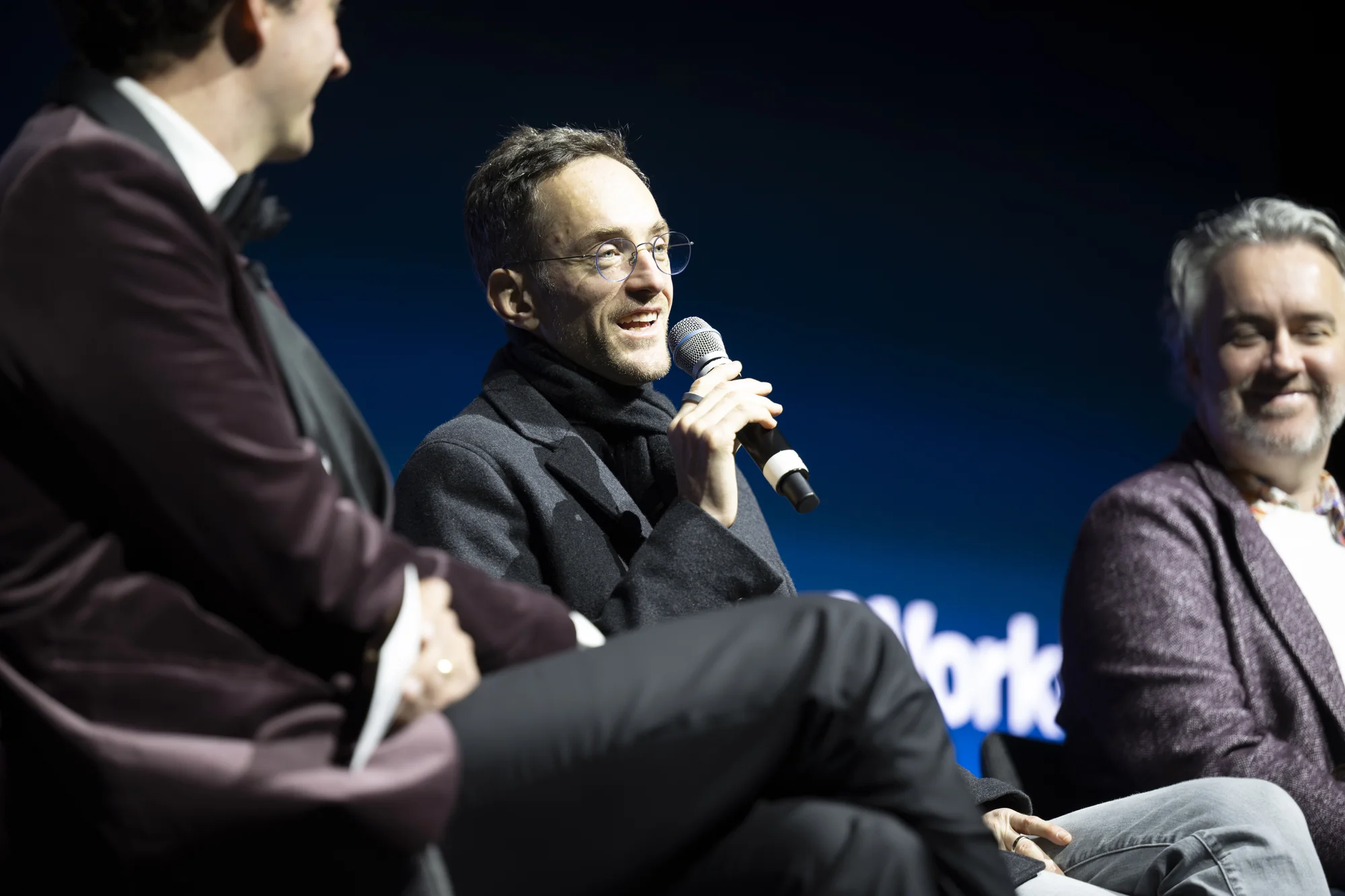
Fifty companies joined on day one. The speed of adoption, Jim said, was unlike anything he'd seen in two decades at the Linux Foundation.
Why Competitors Collaborate
Michael posed the obvious question: Anthropic and OpenAI compete directly. How does that work when you're co-governing a shared protocol?
Nick's answer was grounded in user value: "We're really grounded in giving utility to users and developers. There's clients and applications, there's this communication layer, and that communication requires all parties at the table."
David added historical context: "If we look back into other technology waves—how HTTP evolved, operating systems—there are common layers, particularly on the infrastructure side, that really help make everybody in the industry better off."
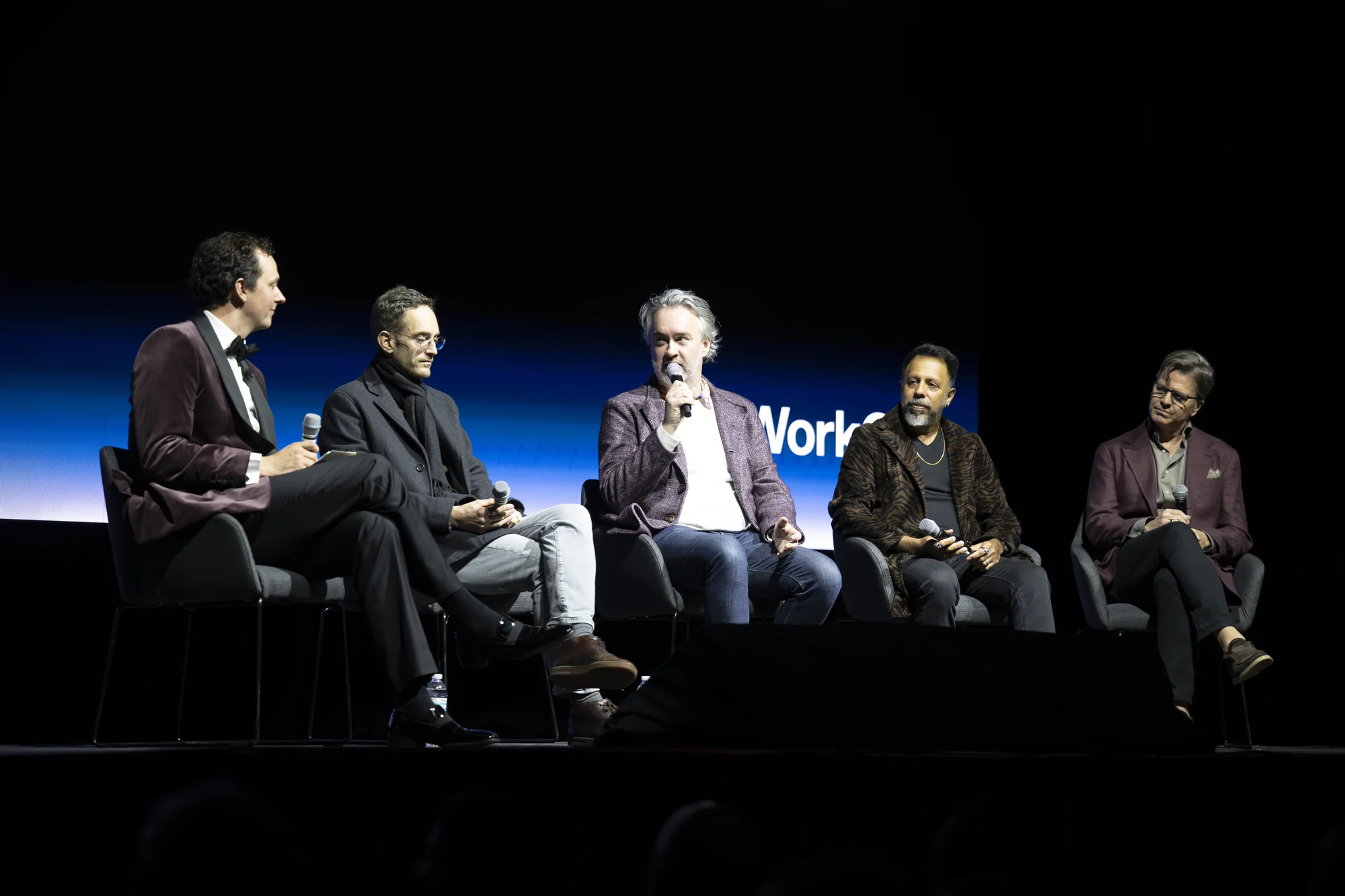
The subtext was clear: protocols are not where these companies want to compete. Models, applications, user experiences—that's where the rivalry lives. The plumbing benefits everyone when it's shared.
Governance in Practice
When asked how the steering committee handles disagreements, David's answer surprised the audience: "When we disagree, we disagree as a group together against the people who bring the proposal."
The most common feedback to any proposed MCP change isn't about technical philosophy—it's empirical: "Have you tried it out? Have you hacked this together? Have you demonstrated that it works?"
This emphasis on proving ideas in code before standardizing them shapes how MCP evolves. The protocol moves forward through demonstrated value, not theoretical debates.
Why Goose Matters
Manik explained why Block donated Goose to the foundation: MCP needs a hackable reference implementation.
Claude and ChatGPT support MCP, but they're not open source. Developers can't experiment with protocol extensions or test new patterns against closed implementations. Goose fills that gap—it's the Firefox of the MCP world, a vendor-neutral client that implements the full protocol stack.
David noted that Block was actually the first organization to contribute to MCP outside of Anthropic, back when the protocol was just getting started. Goose has served as the testing ground for new ideas ever since.
The Linux Foundation's Role
Jim outlined what the foundation provides. First, preservation of organic innovation—no membership required to participate. Developers can go directly to GitHub, Discord, and Slack to start contributing.
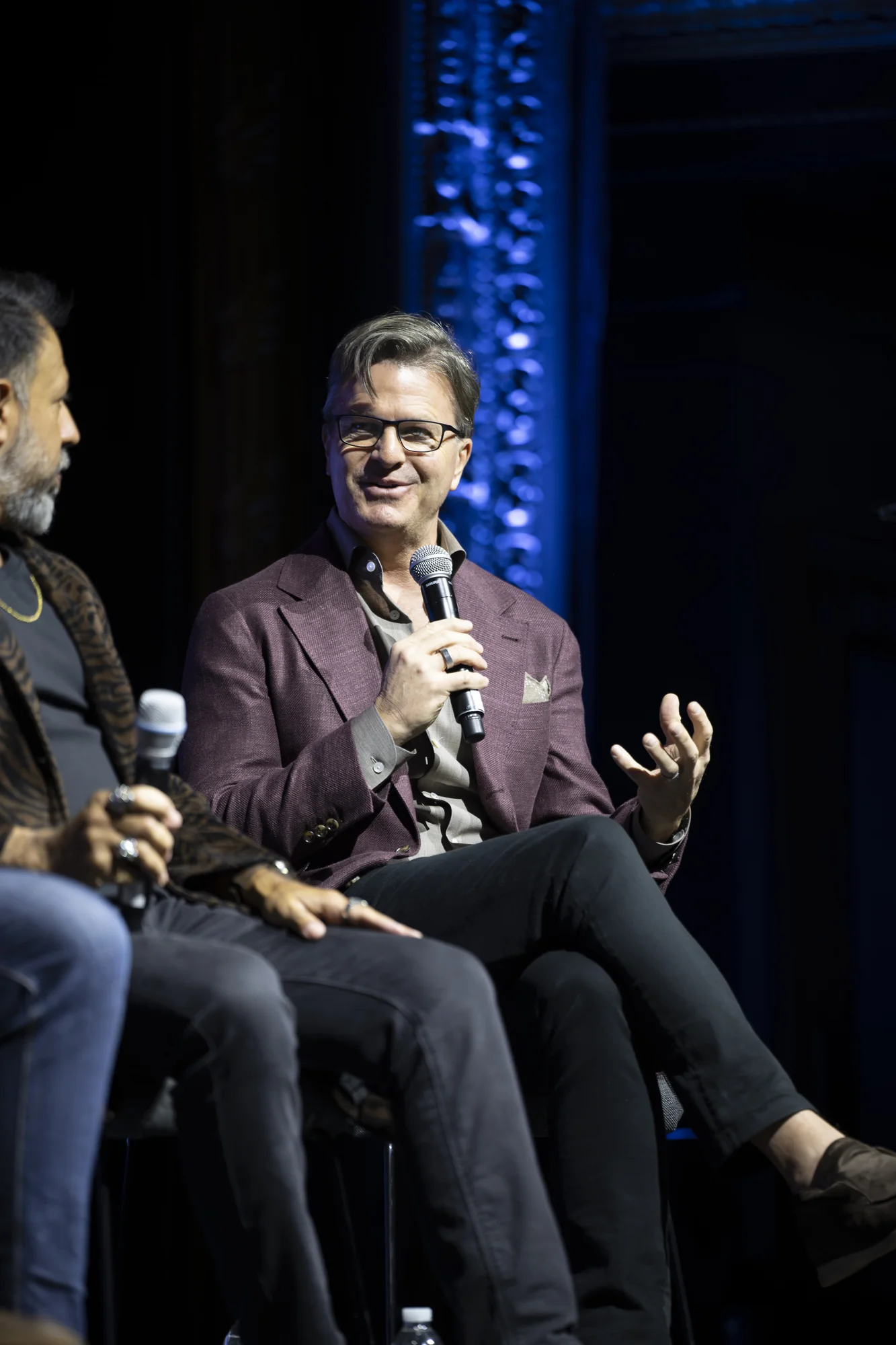
Second, collective decision-making through technical steering committees. The people closest to the problems make the big calls.
Third, market-making. The foundation convenes the industry, identifies gaps that need collective attention, and scales events from hundreds to thousands to tens of thousands of attendees. KubeCon in Atlanta drew 10,000 people discussing cloud-native technology. Jim sees similar potential for MCP.
What They Got Wrong
Michael pushed for specifics: what mistakes would you undo?
David acknowledged the remote transport implementation and authentication approach needed revision. "Knowing what I know now, a year ago I would have made a very different choice." But he framed it positively: being smart about how you observe and adapt matters more than getting it perfect initially.
Nick reframed the question entirely: "Part of me—I just don't know. Protocols aren't something you specify proactively and completely. You distill them from a need or problem that people have today."
The mistakes weren't really mistakes—they were the learning that enabled the current spec. The foundation exists to continue that evolution.
Why "Agentic AI Foundation" and Not "MCP Foundation"
The name choice was deliberate. MCP is essential for agentic work—agents need context from external systems to operate usefully. But the foundation's scope extends beyond a single protocol.
Nick explained: "There's such a large variety in how humanity can find and use agents, what types of work those agents do, what tools they need to use, and how they communicate. It's not going to be a question of one standard or one protocol at all, but multiple composable elements that can be brought together."
Put simply: "The Internet is not called 'HTTP.'" The protocol unlocks the ecosystem, but the ecosystem is bigger than any single protocol.
The Call to Action
Each panelist left the audience with guidance.
David: "Just build. Be creative. Look for the users you have, go for the market you want to go for, and try to innovate in that space."
Nick: "In addition to building, just talk about it. Evolution is key. Communicate really openly—input about what works and what doesn't work for you."
Manik: "Use Goose as a test bed. Try things out. Your problem is our mission."
Jim had advice for different audiences. Developers: participate with substance. End users: tell us what's working and what's missing. Venture capitalists: give us money.
The room laughed, but Jim continued with a serious point: "I want everyone who's working to make this ecosystem successful to go out and get rich. That opportunity is in front of you."
He cited the precedent: Joe Beda and Craig McLuckie, original Kubernetes maintainers, each made $100 million when Heptio exited. The Agentic AI Foundation exists to create that kind of opportunity for the MCP ecosystem.
The Stakes
Jim has shepherded Linux, Kubernetes, and countless other open source projects through industry adoption. He was clear about what makes this moment different.
"I've been working at the Linux Foundation for over 20 years, and I've seen a bunch of waves of technology. I have never seen anything like this."
If the first chapter of transformative open source was Linux and the second was Kubernetes, the Agentic AI Foundation represents chapter three. And based on the velocity of adoption, this chapter is moving faster than either of its predecessors.
Read our full MCP Night: The Holiday Special: Holiday Special Recap post here.