WorkOS MCP Night: The Holiday Special
MCP Night, The Holiday Special, marked a historic moment: Anthropic donated MCP to the Linux Foundation, launching the Agentic AI Foundation. Demos from Cloudflare, Supabase, Datadog, Microsoft, and Google.

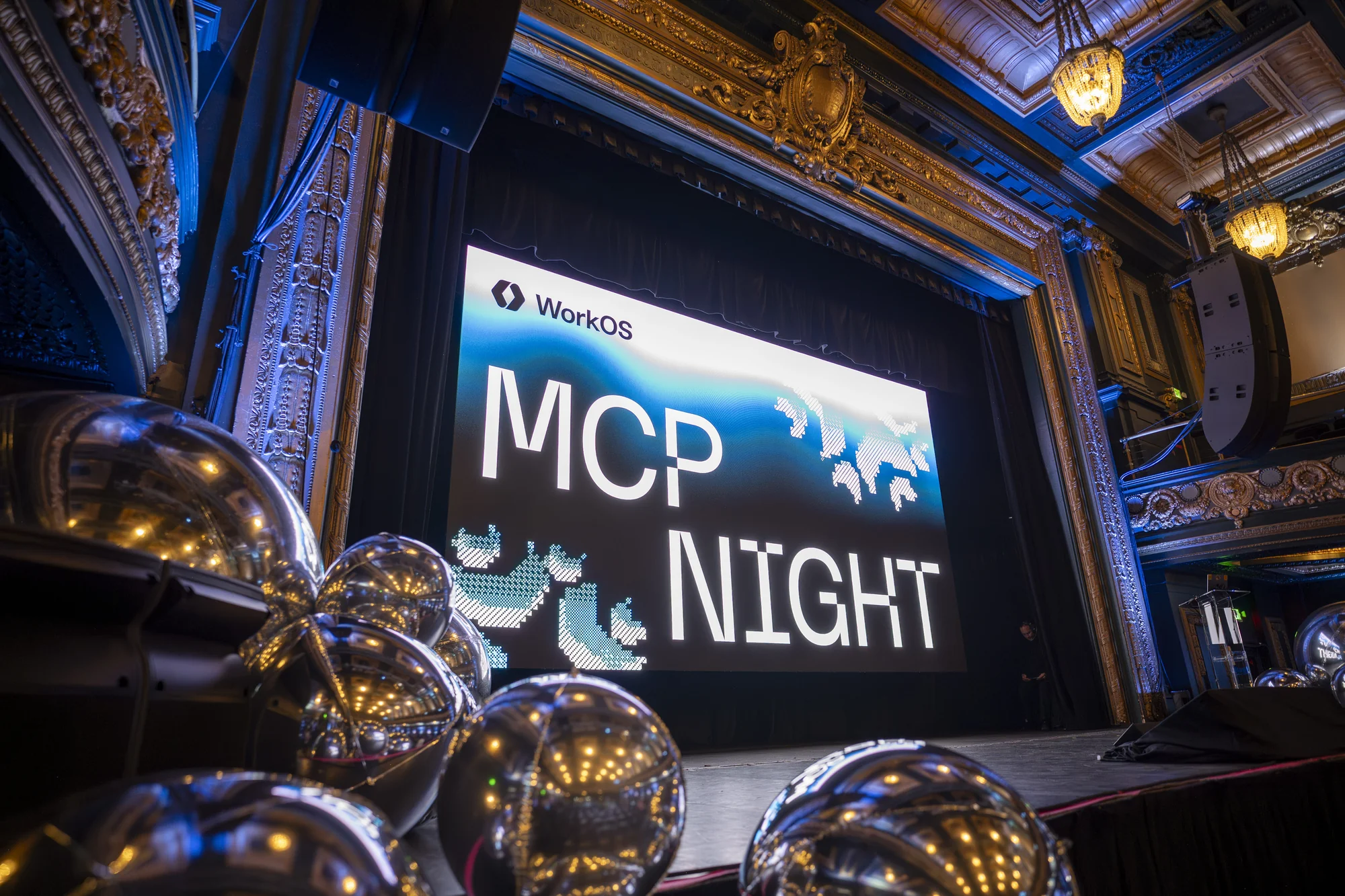
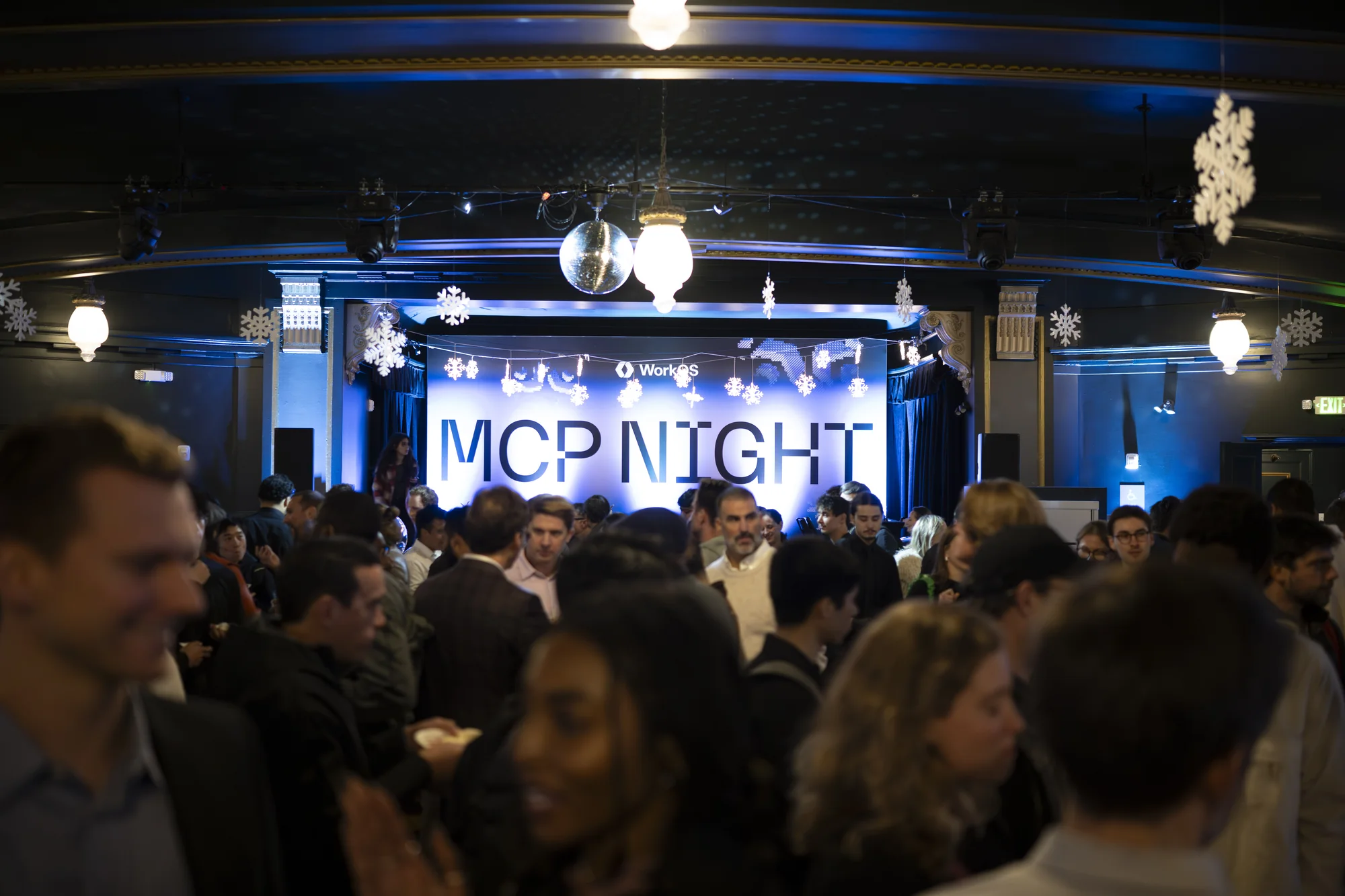
On December 10, 2025, MCP Night, The Holiday Special, transformed the Regency Ballroom in San Francisco into the site of a historic moment for the AI ecosystem.
Note, this article is the first in our MCP Night, The Holiday Special, Recap series. You can find the other articles in the series below:
- MCP Night The Holiday Edition Keynote: MCP Turns One, Joins the Linux Foundation
- Cloudflare: Code Mode Cuts Token Usage By 81%
- Supabase: Natural Language to SQL, Holiday Edition
- Datadog: SQL Is the New Bash for AI Agents
- Microsoft: MCP Auth Without the Configuration Nightmare
- Chrome DevTools: Bringing Browser State to Your Coding Agent
- The Agentic AI Foundation: Competitors Building the AI Standard Together
The event was both a protocol-themed holiday celebration and public unveiling of the Agentic AI Foundation—a new home for MCP under the Linux Foundation, with support from Anthropic, OpenAI, Block, Microsoft, and Google.
From Protocol to Foundation
Just over a year ago, Anthropic quietly released the Model Context Protocol as a way for Claude to interface with local file systems. Tonight, we witnessed MCP graduate from a single company's project into a vendor-neutral, community-governed standard backed by the world's largest open source organization.
The announcement came early in Michael Grinich's keynote: Anthropic has donated MCP to the Linux Foundation. Block contributed Goose—their open source coding agent—and Google's Agent2Agent (A2A) protocol joined the foundation as well. The new organization, called the Agentic AI Foundation, launched with 50 companies participating on day one, with WorkOS as a founding silver member.
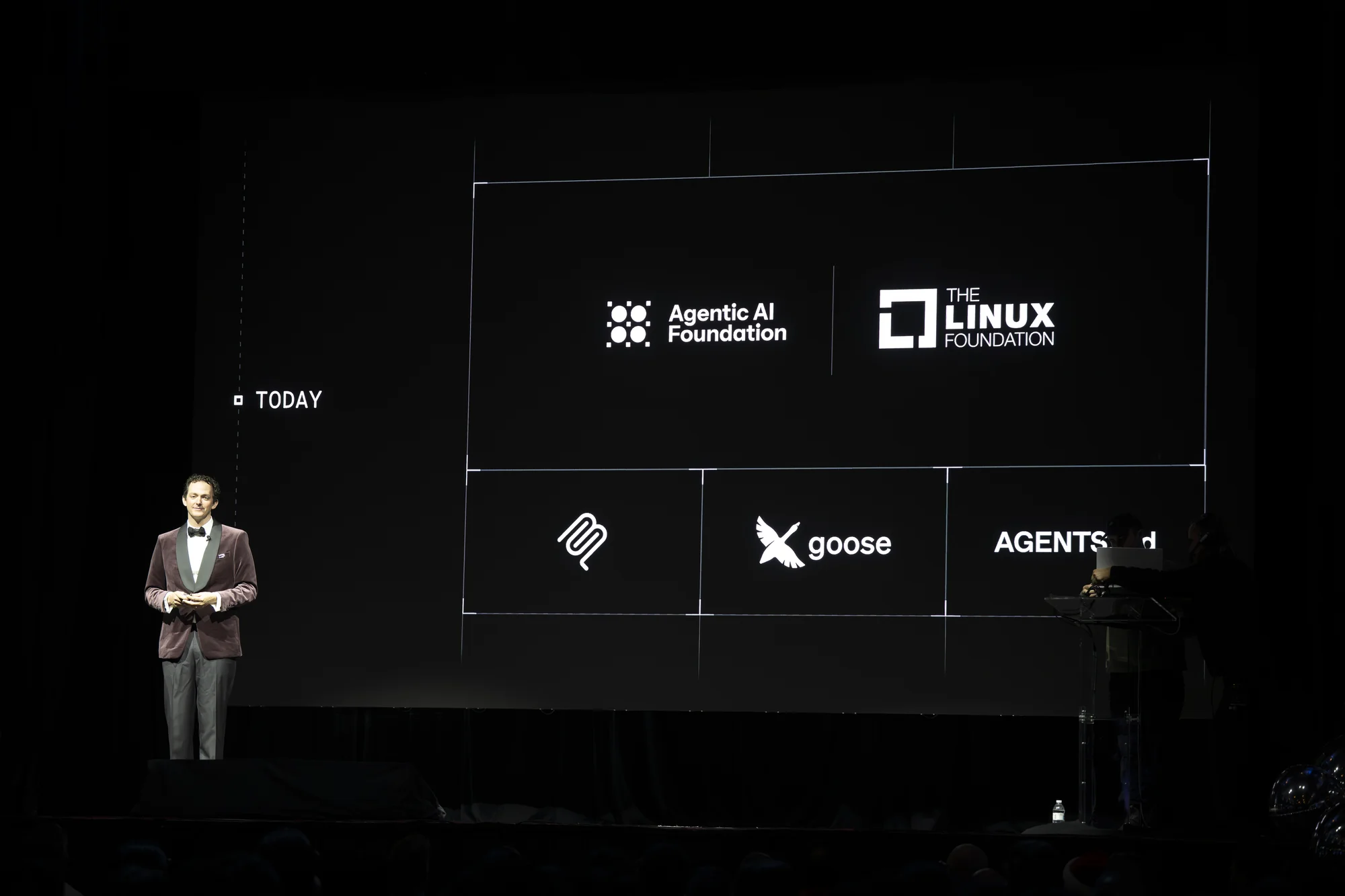
Jim Zemlin, Executive Director of the Linux Foundation, put it in perspective: "I've been working at the Linux Foundation for over 20 years, and I've seen a bunch of waves of technology. I have never seen anything like this."
What's New in the MCP Spec

Before diving into the demos and panel discussion, Michael walked through the major protocol updates that have landed since MCP Night 2.0.
Protected Resource Metadata
The biggest authentication change replaces Dynamic Client Registration—which was proving too heavy for most implementations—with a simpler approach. MCP servers now expose a URL pointing to a JSON object containing OAuth details. The result is dramatically easier implementation for server authors while maintaining security guarantees.
Long-Running Operations and Async Tasks
MCP used to be strictly request-response. You'd make a call, keep your client connected, and wait. The new primitive enables asynchronous, non-blocking patterns. You can fire off a task, return to it later, and your agent will have continued working and can report back when finished.
This is foundational for multi-step, multi-agent workflows where operations might take minutes or hours to complete.
Sampling and Elicitation

The protocol now supports bidirectional tool calling. An MCP server can push back into the client with suggestions for what to call next, enabling servers to encode their own planning logic.
Combined with the new URL Elicitation feature—where servers can return clickable links that open authentication flows or other browser-based experiences—this creates secure pathways for real-world workflows that require human interaction.
MCP UI Extension
The text-wall problem hasn't gone away. MCP UI, demonstrated at previous events, has matured into an extension layer that brings interactive experiences to AI conversations. Click buttons, sync to canvas, right-click links—all within the MCP interaction model.
Lightning Demos
Five companies showed what's possible when you push MCP into production.
Supabase: Natural Language to SQL
Craig Cannon from Supabase opened the demos with a holiday-themed implementation: the Turbo-Man Tracker, inspired by the 1996 film "Jingle All The Way."
The demo showed natural language queries being converted to SQL on the fly, with the Supabase MCP server handling database queries, authentication checks, and real-time inventory updates.
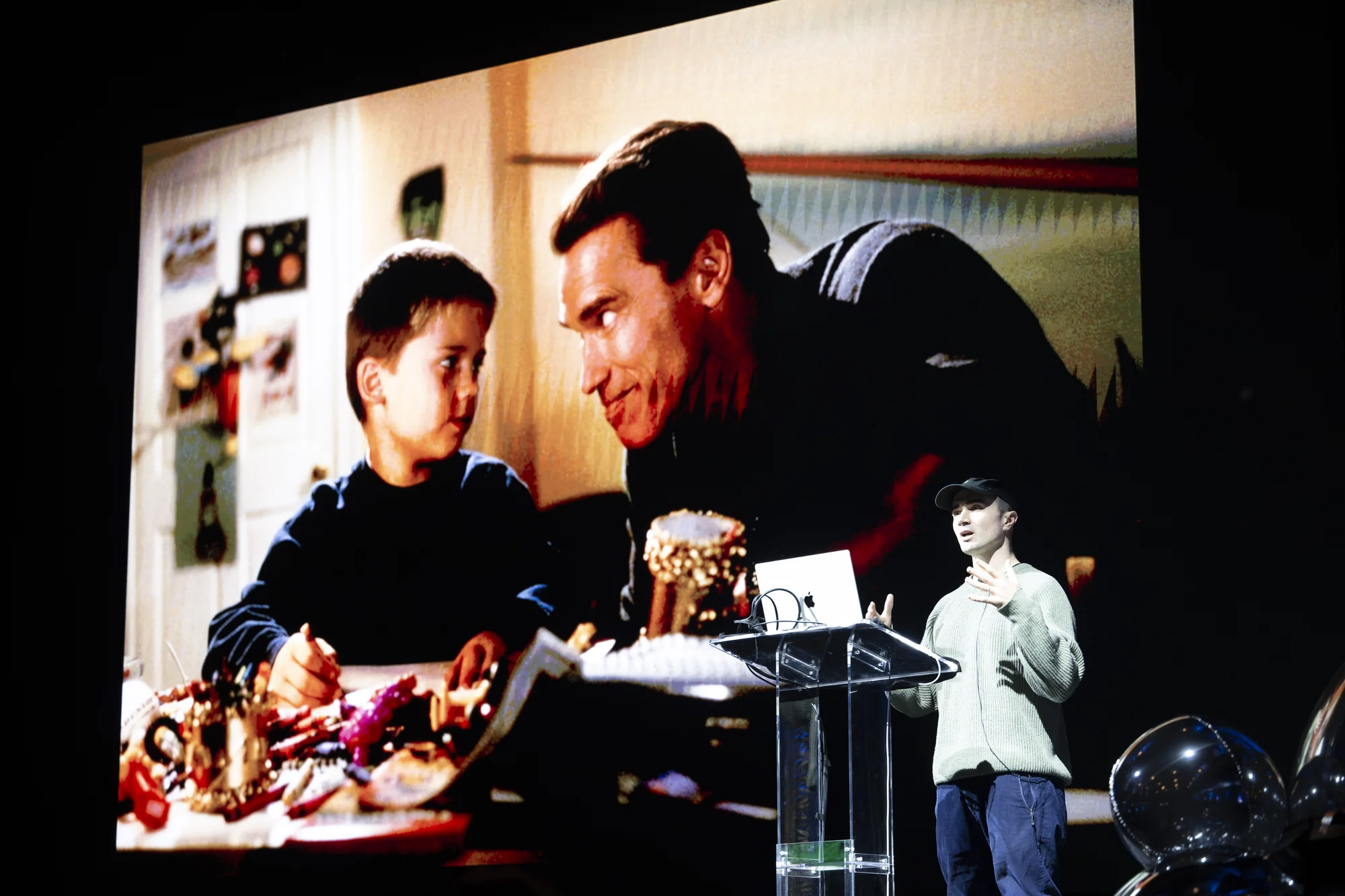
You don't need to remember SQL syntax anymore. Type what you want in plain English, and the MCP server translates and executes.
Datadog: SQL-Based Observability
Reilly Wood from Datadog showed how their MCP server uses SQL as a universal query language for observability data.
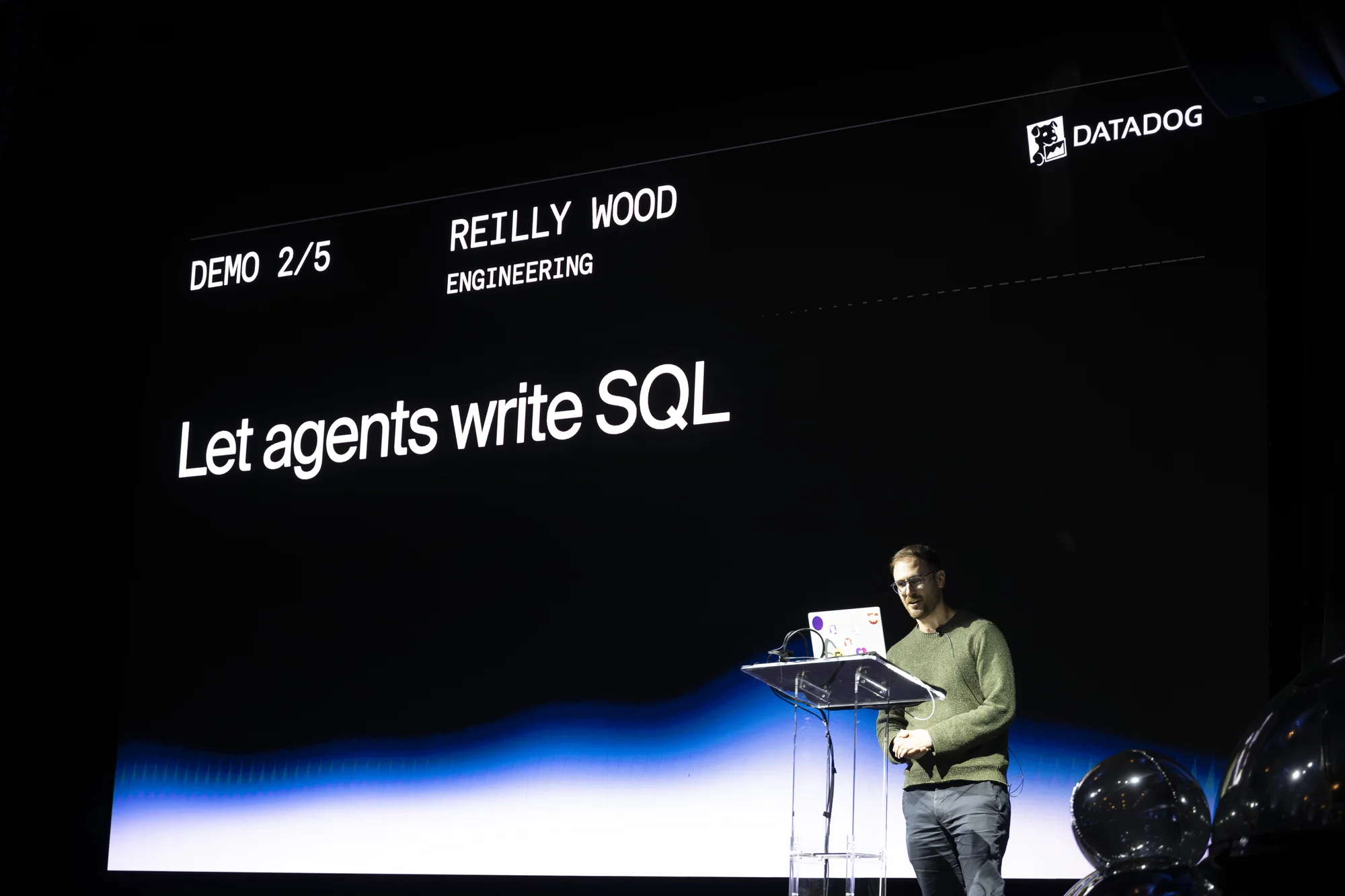
In a side-by-side comparison, the SQL-based approach let agents write efficient queries that selected only the columns they needed and performed aggregations without pulling entire datasets into context.
The insight here was subtle but important: SQL is a better interface for AI agents than freeform bash commands. It's structured enough that agents can be precise, but flexible enough to handle complex analytical queries.
Cloudflare: Code Mode vs Tool Calling
Rita Kozlov, VP of AI & Developers at Cloudflare, delivered the most technically impressive demo of the night.
She introduced "Code Mode"—an alternative to traditional MCP tool calling where the AI generates code based on the MCP server's definition and executes it in a sandboxed Worker.
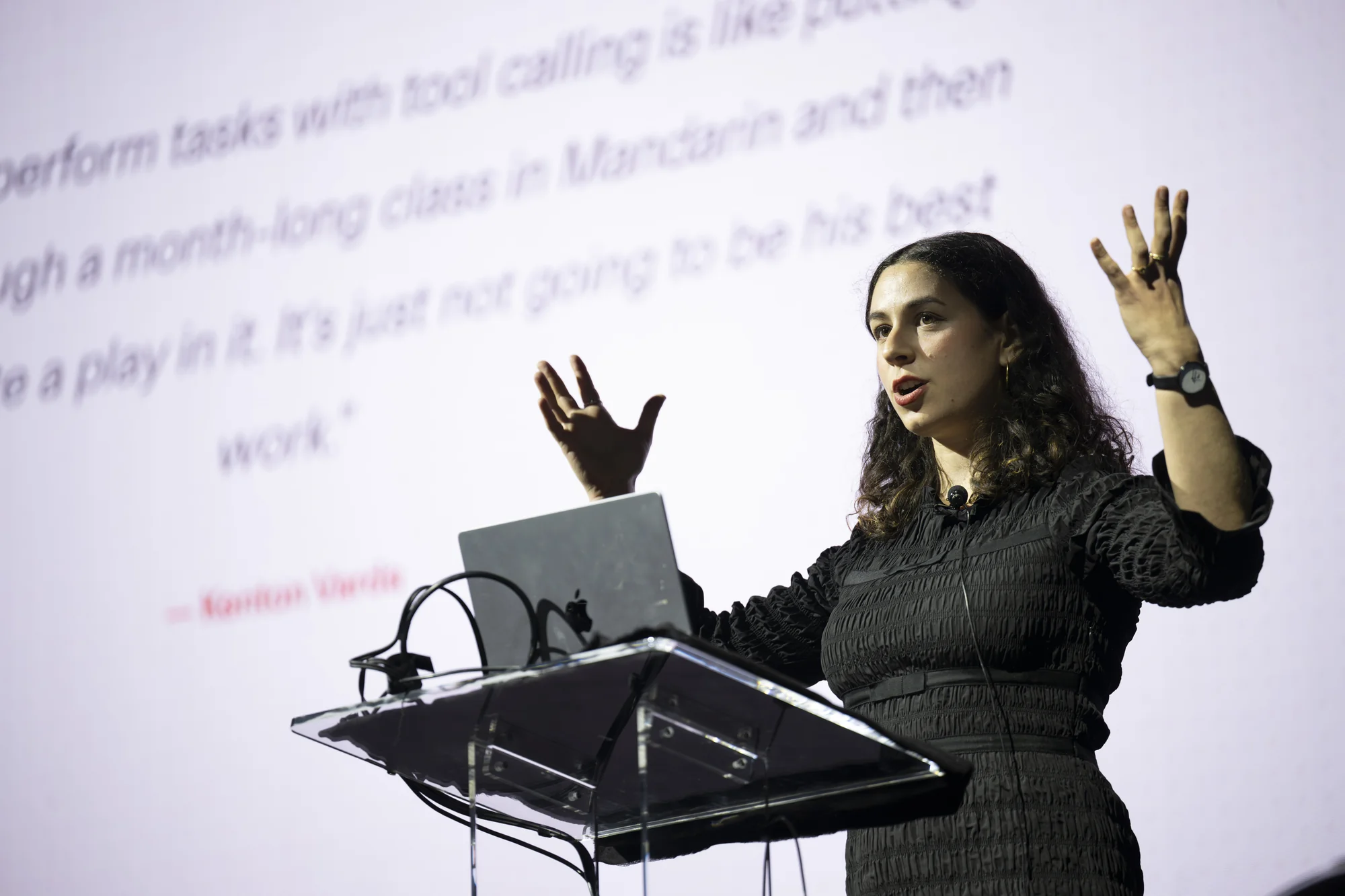
The results were striking. For a simple event creation task, Code Mode used 32% fewer tokens than direct tool calling. For a complex task—creating 31 different events for each week in January with AI-generated topics—Code Mode consumed 81% fewer tokens.
The secret sauce: code can access runtime functions like new Date() and loop constructs.
Instead of making 31 separate tool calls, the agent generates a single loop that iterates over the dates. Cloudflare's Workers Loader provides instant sandbox spin-up with no cold start, making this approach practical for production use.
Microsoft: Simplified MCP Auth
Den Delimarsky from Microsoft demonstrated the new authentication flow in action.
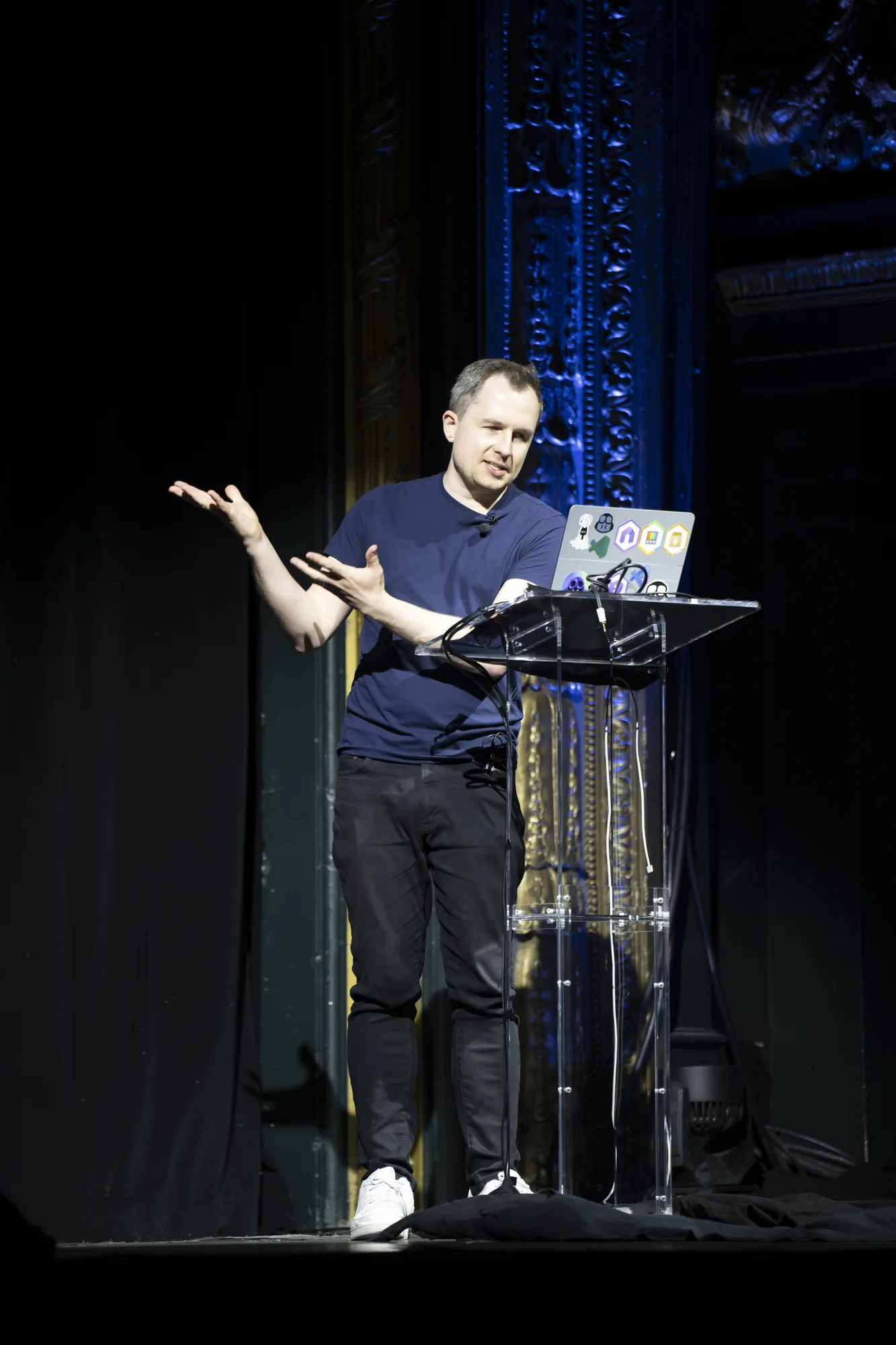
Using VS Code, he added an MCP server via URL, clicked through the OAuth consent flow, and was authenticated—all without pre-configuring anything on his account.
The demo showcased the new Client ID Metadata Document Support, which lets clients present their identity via a URI that points to authorization metadata. For developers building MCP servers, this dramatically reduces the authentication implementation burden.
Chrome DevTools: Performance Tracing for AI
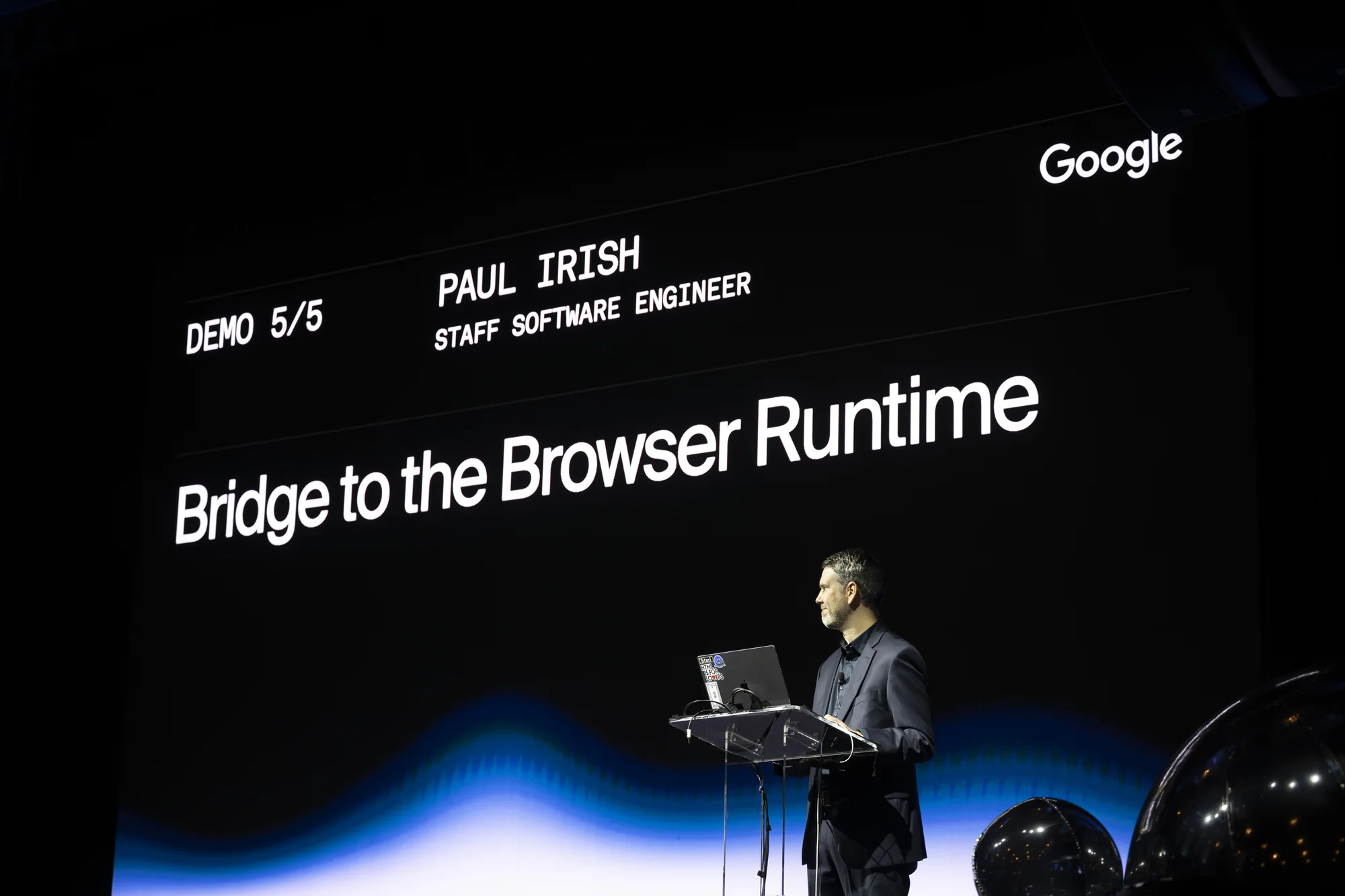
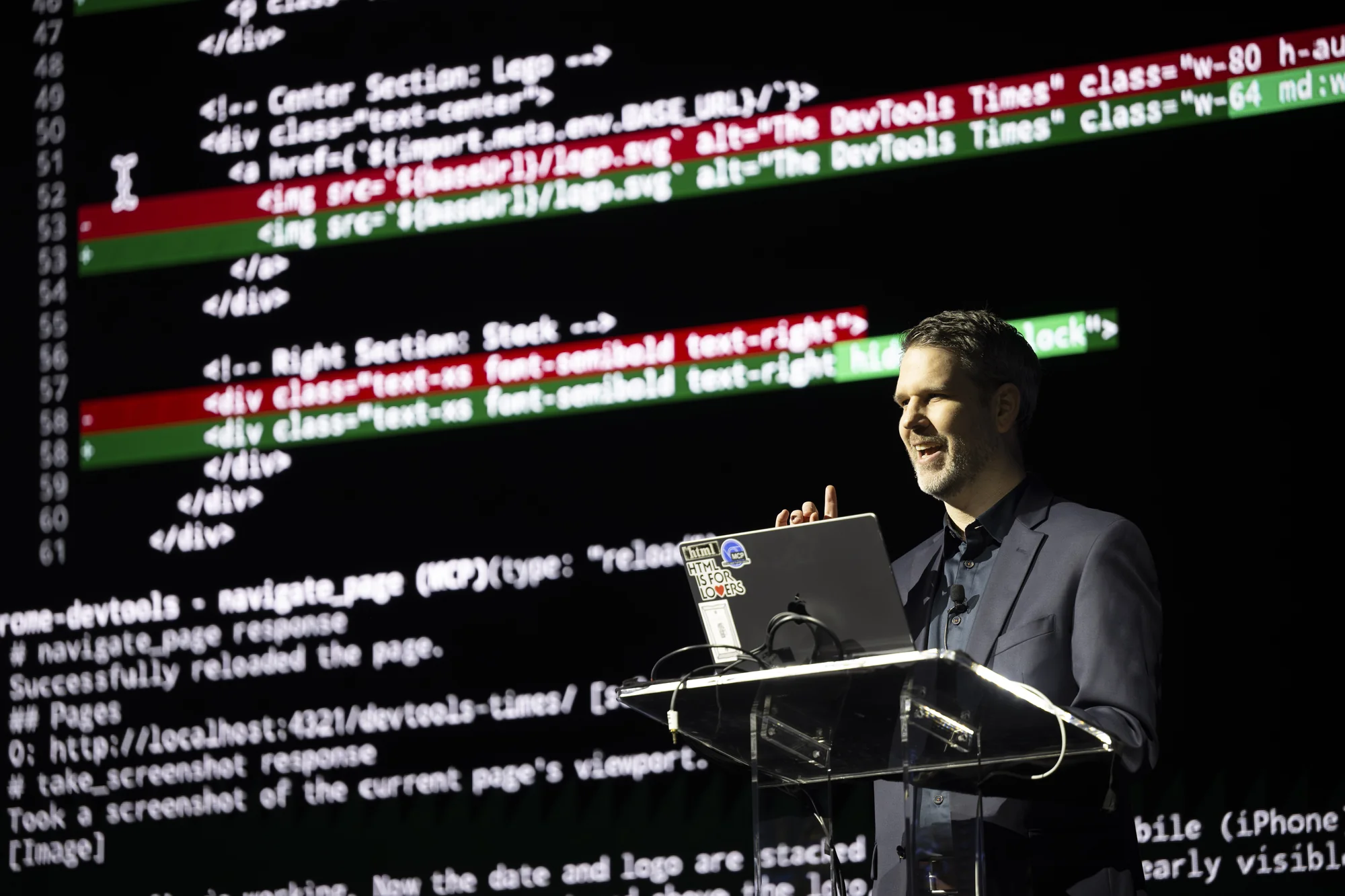
Paul Irish from Google showed Chrome DevTools' MCP integration, which enables agents to programmatically debug Chrome sessions.
The demo parsed a 15-million-line JSON performance trace, distilled it into actionable insights, and fed it to Gemini CLI for analysis.
The vision: take context and state from one application and bring it into your coding agent. Performance debugging becomes a conversation rather than a manual investigation.
The Pipes Demo: WorkOS in Action
Garret Galow from WorkOS demonstrated Pipes—a product announced at Enterprise Ready Conference the previous week—connected to MCP.
The demo showed a project manager using Claude to schedule meetings by connecting to Linear for project context and Google Calendar for availability, all through MCP's URL Elicitation feature.
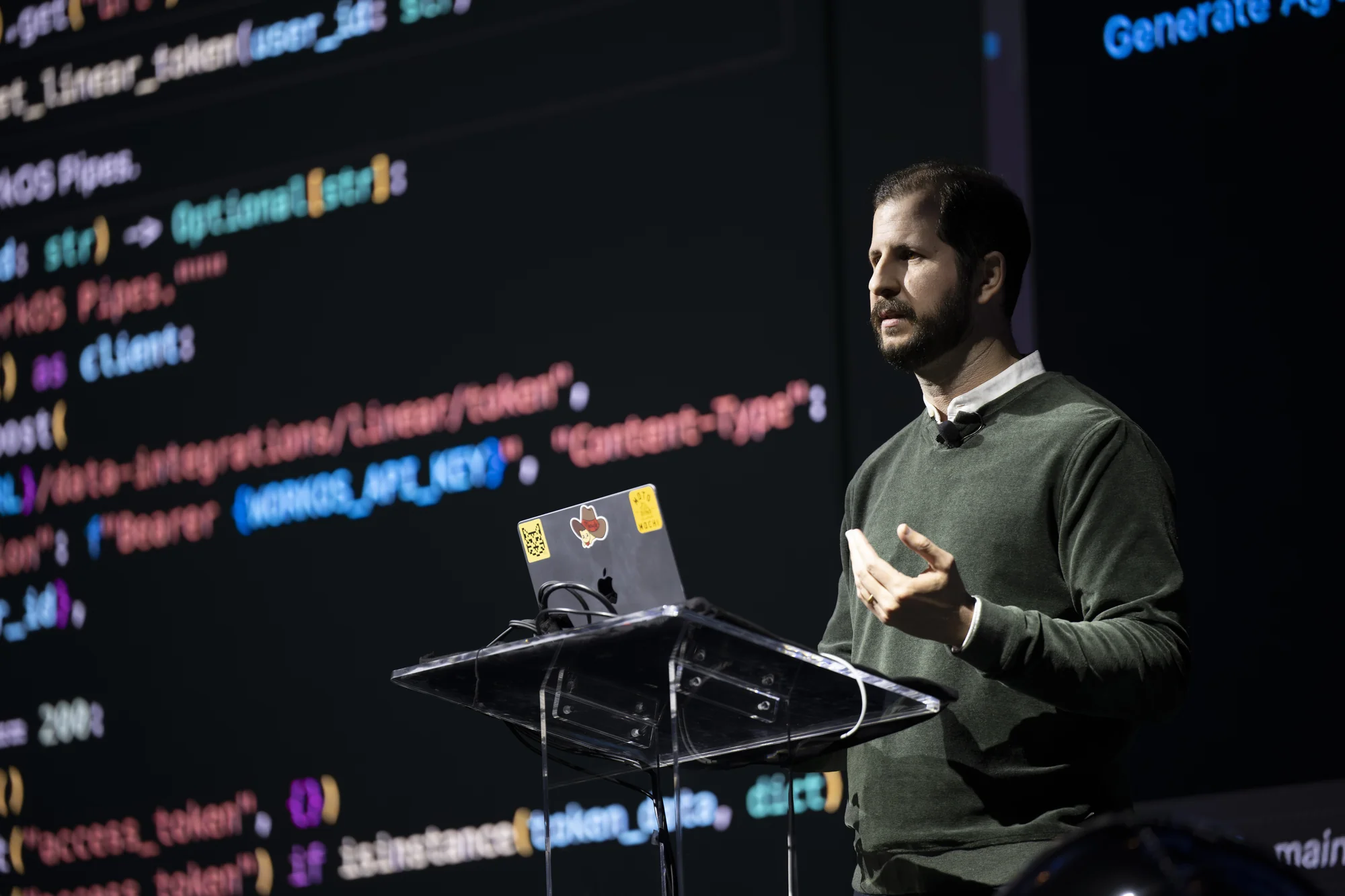
The authentication flow was seamless: click a link, authorize the service in your browser, and the MCP server handles token refresh and credential management. No pre-configuration, no copying API keys into config files.
Panel Discussion: Building the Agentic AI Foundation
The highlight of the evening brought together the people who built MCP and the organization that will steward it forward.
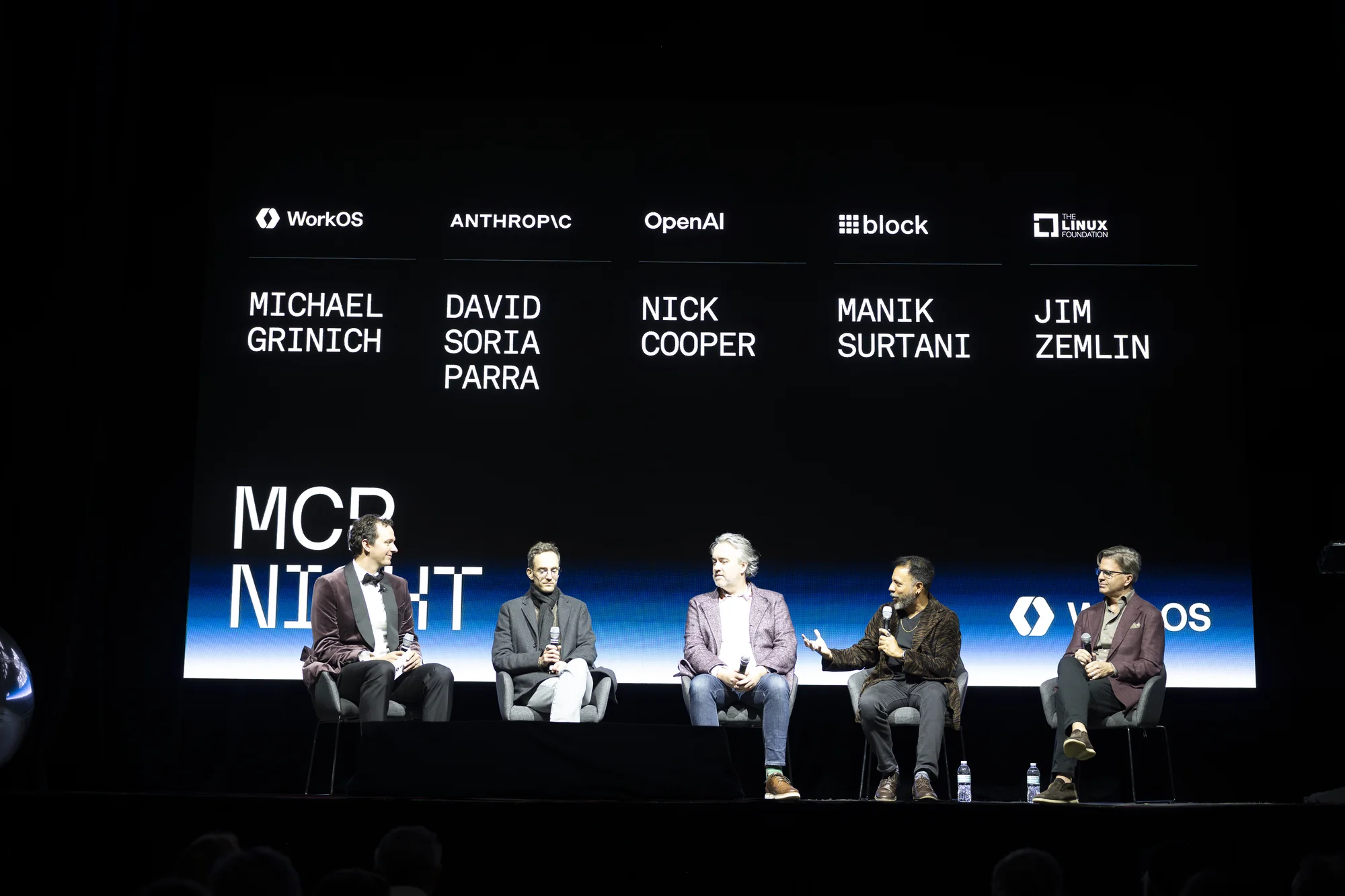
The Panelists
David Soria Parra attended as the creator of MCP, now leading the protocol's development at Anthropic. Nick Cooper represented OpenAI's participation in the MCP Steering Committee. Manik Surtani, Head of Open Source at Block, spoke to Goose's role in the foundation. Jim Zemlin brought two decades of Linux Foundation experience to the conversation.
Competing Companies, Aligned on Protocol
Michael noted the unusual dynamic: Anthropic and OpenAI are fierce competitors, yet their representatives were sitting side by side discussing shared infrastructure.
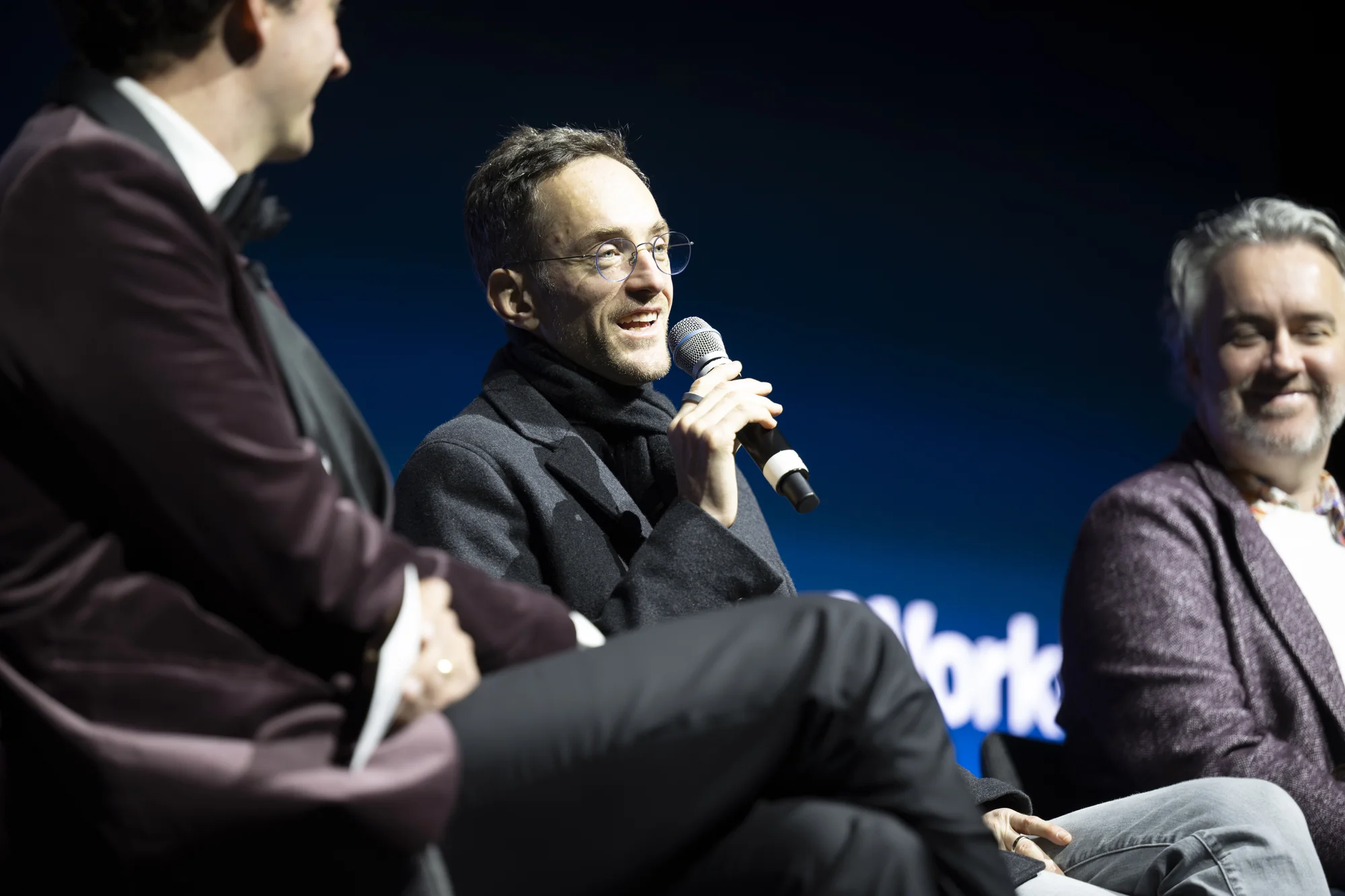
Nick framed it simply: "We're really grounded in giving utility to users and developers. That's where we come from. There's clients and applications. There's this communication layer. And that communication requires all parties at the table."
David added historical perspective: "If we look back into other technology waves—how HTTP evolved, operating systems—there are common layers, particularly on the infrastructure side, that really help make everybody in the industry better off."
Why Goose Matters
The inclusion of Goose—Block's open source coding agent—gives the foundation something critical: a hackable reference implementation.
David recalled that Block was actually the first organization to make a change to MCP outside of Anthropic.
Manik drew a parallel to Firefox: "Existing browsers—companies have their own browsers. But having a vendor-neutral, independent browser that's standards-compliant and implements the entire protocol stack is important." Goose serves that role for MCP, providing a sandbox where new ideas can be tested before reaching the spec.
Handling Disagreements
When asked how the steering committee handles disagreements, David's answer was telling: "When we disagree, we disagree as a group together against the people who bring the proposal, more often than not."
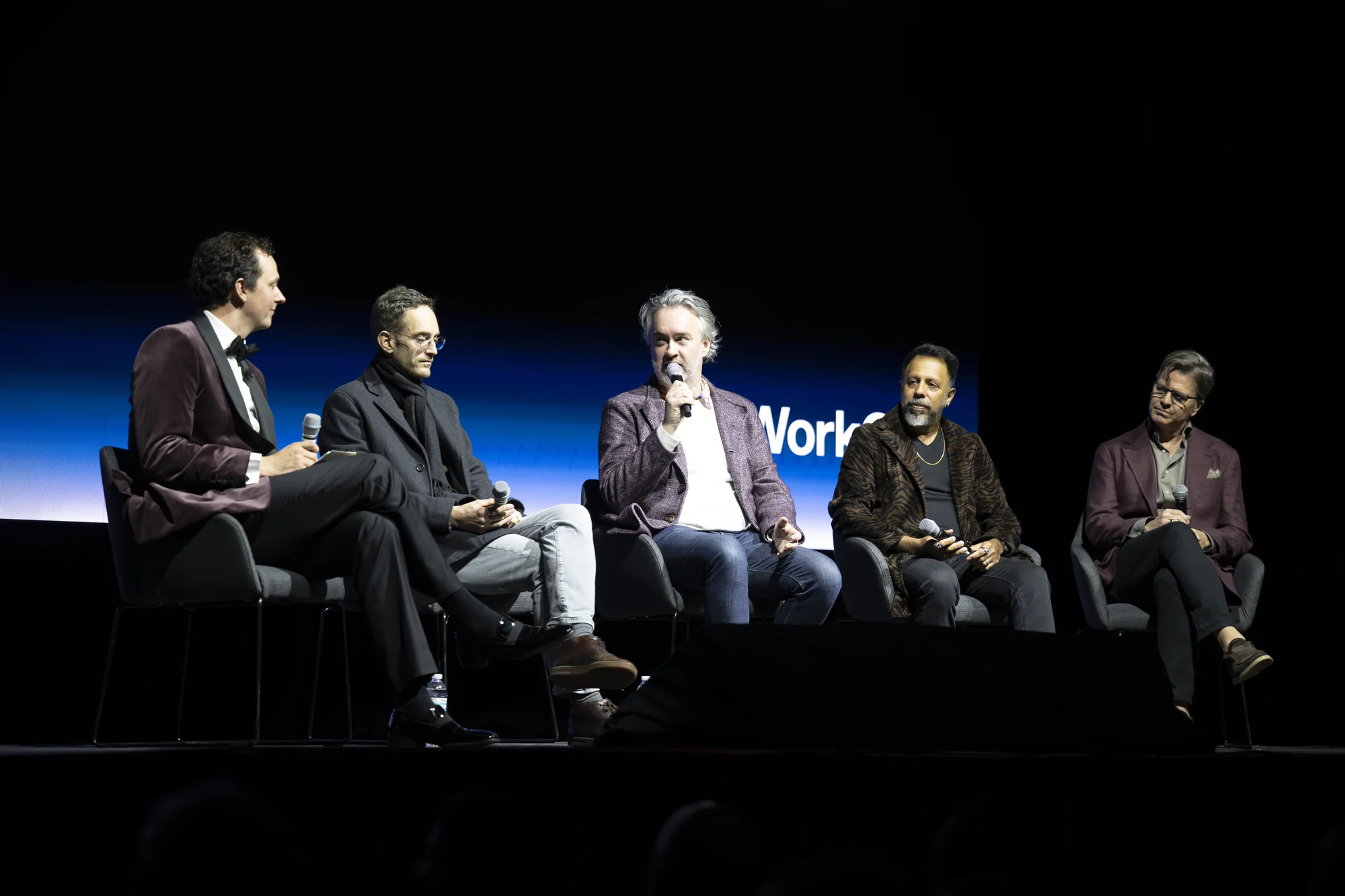
The most common feedback to proposed changes? "Have you tried it out? Have you hacked this together? Have you demonstrated that it works?" This emphasis on empirical validation over theoretical debate shapes how the protocol evolves.
What's Next
The panelists were careful not to over-predict. David noted that MCP's strength comes from capturing emergent patterns rather than speculating about future needs: "It's very hard to predict what's going to be there in a year.
Instead, build a protocol that's open enough and has the right building blocks that you can build the things you want to build. Then observe the patterns that emerge."
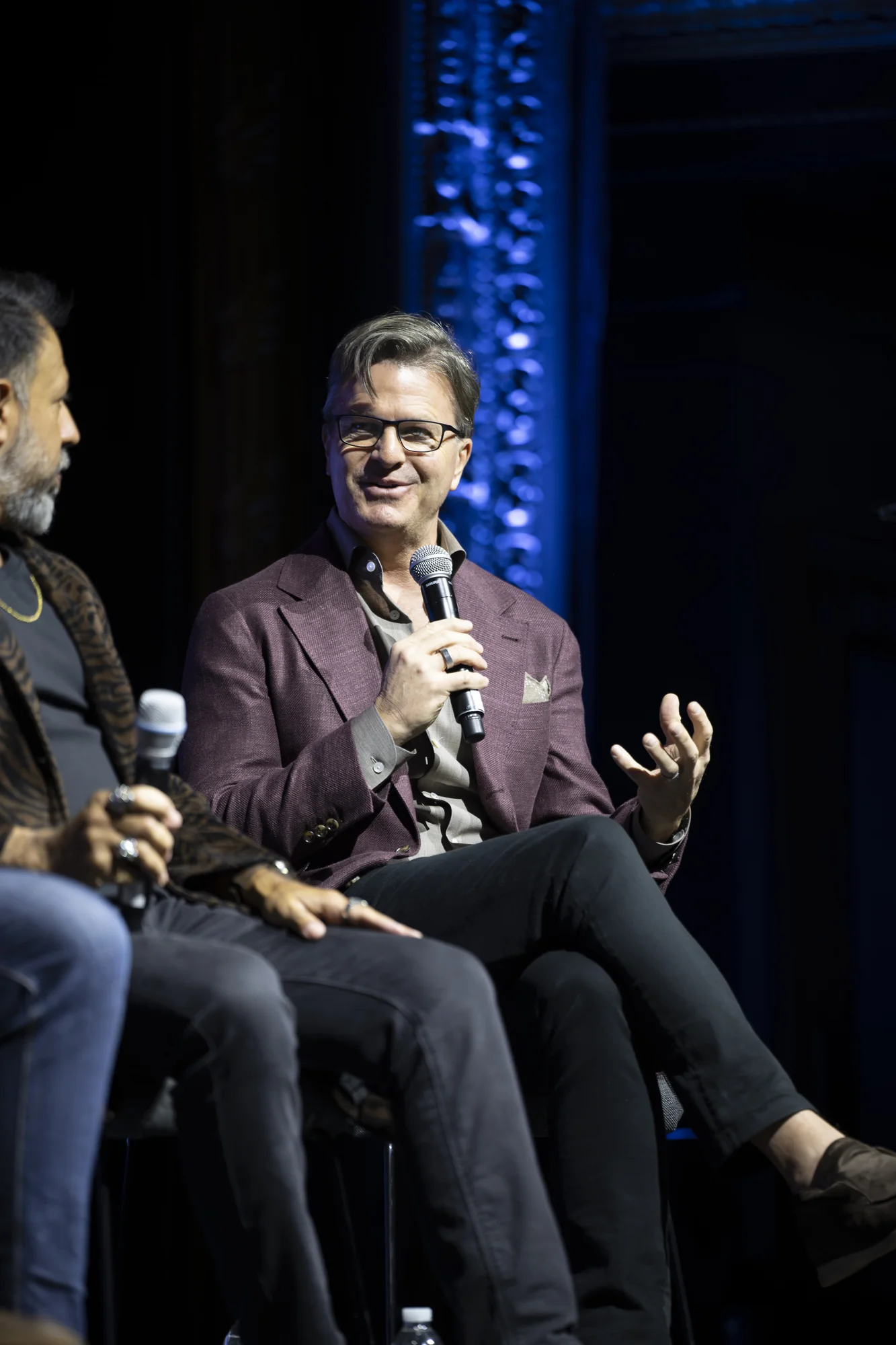
Jim was more bullish on outcomes: "Here's what happened at CNCF: billions of dollars of venture investments started pouring into the community. I want everyone who's working to make this ecosystem successful to go out and get rich. That opportunity is in front of you."
The Call to Action
Each panelist left the audience with guidance.
David: "Just build. Be creative. Look for the users you have, go for the market you want, and try to innovate in that space."
Nick: "In addition to building, just talk about it. Evolution is key to the success of these protocols. Communicate really openly—input about what works and what doesn't work for you."
Manik: "Use Goose as a test bed. Try things out to see what works and what doesn't. Your problem is our mission."
Jim: "If you're a developer, get in the community and start participating with substance. If you're an end user, tell us what's working, what's not, what's missing. If you're a venture capitalist—give us money."
Mr. GPT Returns
No MCP Night would be complete without Mr. GPT, the robot character who's become the event's unofficial mascot.
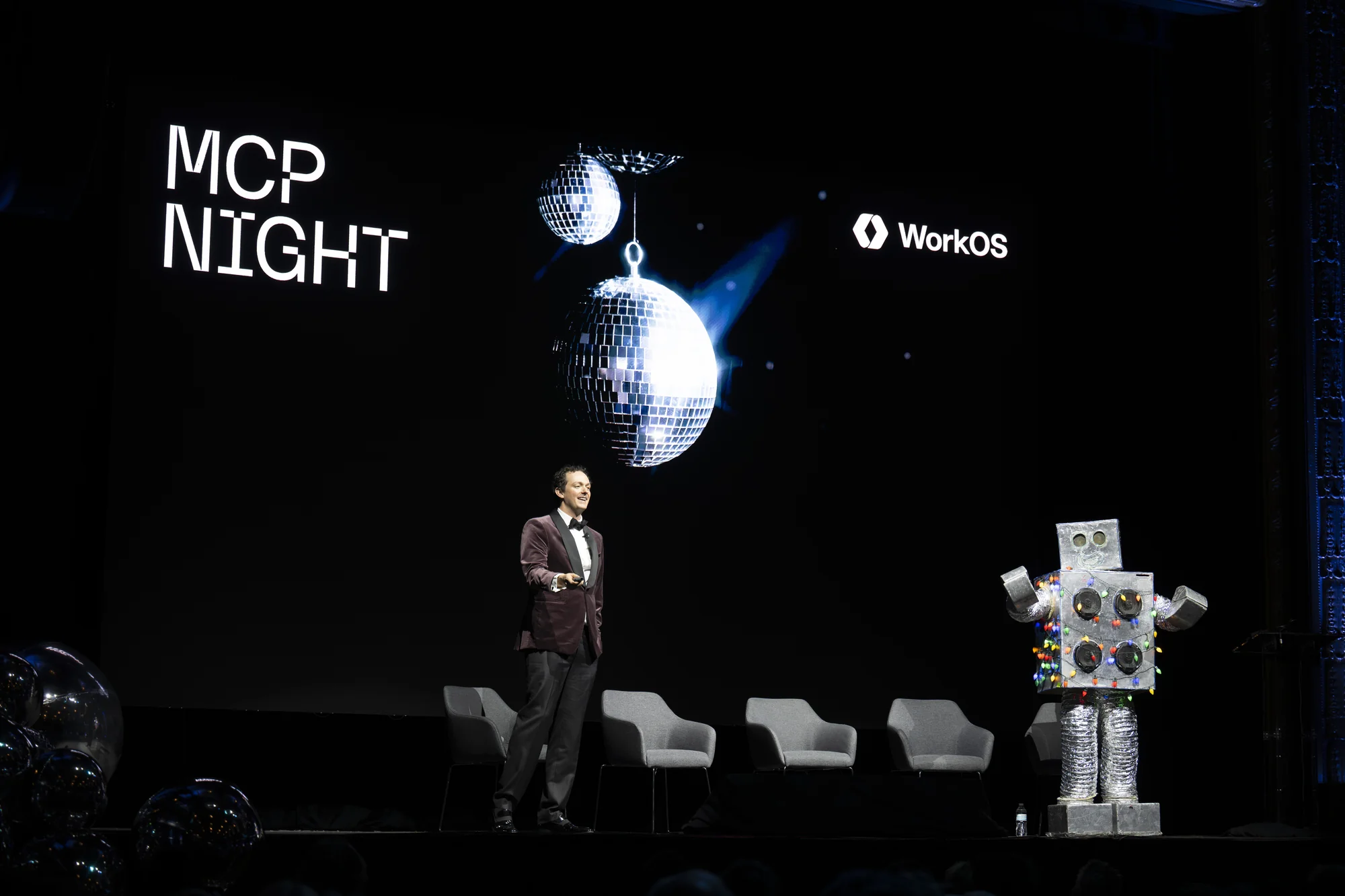
This time he arrived to holiday music, initially claiming he wasn't ready for the celebration due to "edge cases", and feeling like a JSON Blob someone forgot to validate.
The crowd chanted "MCP! MCP! MCP!", infusing his holiday light rigging with enough energy to light up and commence the party.
Key Takeaways
Several themes emerged from the evening that will shape MCP development in 2026.
Code Generation Is An Alternative To Tool Calling
Cloudflare's demo proved that having agents generate and execute code can be dramatically more efficient than making individual tool calls.
Expect more MCP implementations to explore hybrid approaches where agents choose between direct tool invocation and code generation based on task complexity.
Authentication is Finally Solved (Mostly)
The new Protected Resource Metadata approach, combined with URL Elicitation, creates a path to secure, user-friendly authentication for remote MCP servers.
The Microsoft demo showed this working end-to-end with no pre-configuration required.
The Foundation Changes Everything
Moving MCP to vendor-neutral governance under the Linux Foundation removes the biggest adoption blocker for enterprises wary of depending on Anthropic-controlled infrastructure.
With OpenAI, Microsoft, Google, and Block all contributing, MCP has the backing to become a true industry standard.
Async Operations Enable Real Agents
Long-running tasks and asynchronous communication patterns unlock agentic workflows that weren't possible with synchronous request-response.
Agents can now kick off work, let users close their laptops, and report back when finished.
SQL is the New API
Both Supabase and Datadog showed natural language to SQL as a powerful pattern.
For MCP servers that wrap databases or data platforms, exposing a SQL interface gives agents a structured but flexible way to query and manipulate data.
The MCP Ecosystem Continues to Accelerate
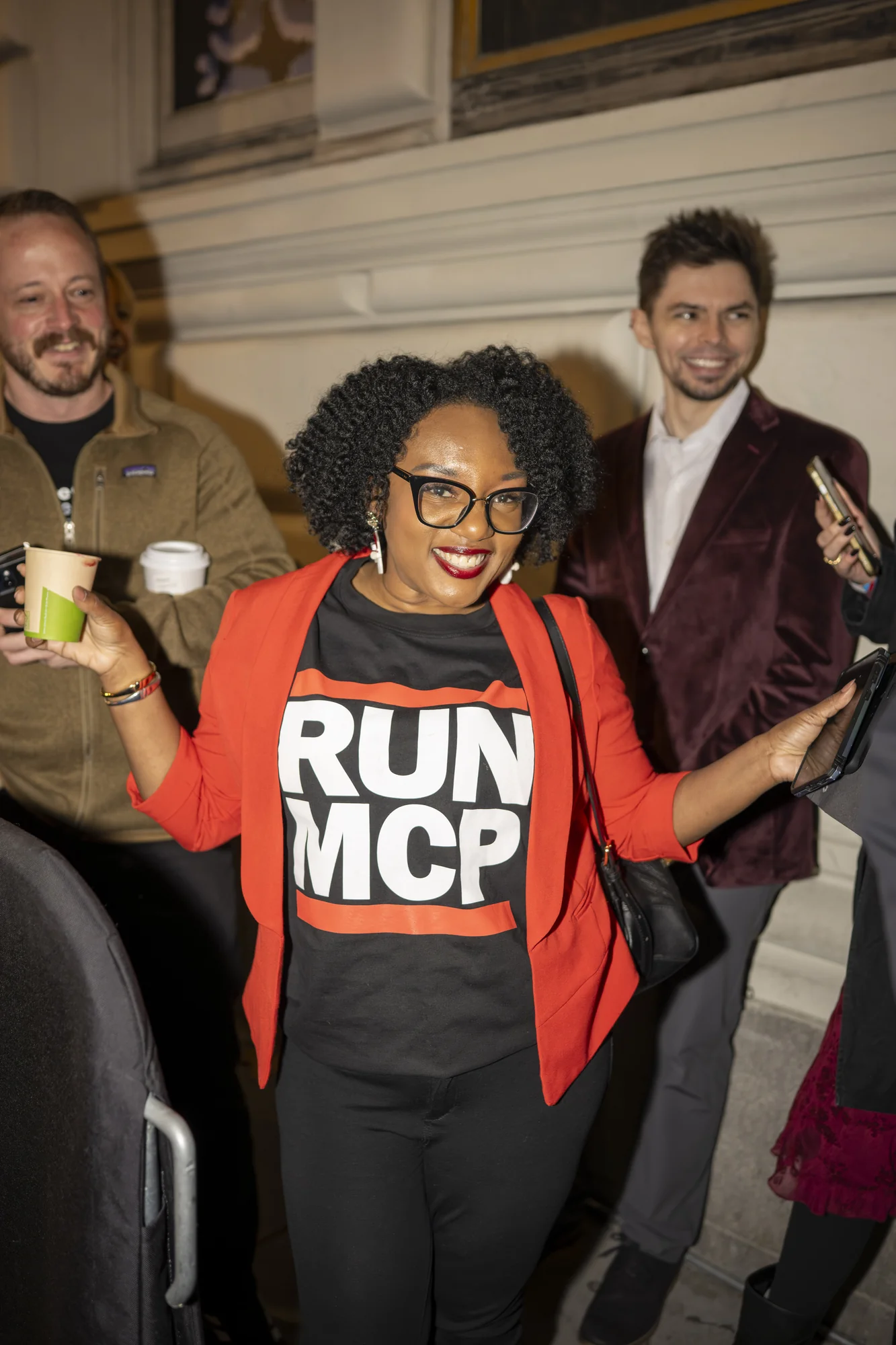
When WorkOS hosted the first MCP Night in early 2025, the team expected 250 attendees. 500 showed up. Tonight's event at the Regency Ballroom drew even larger crowds, with lines around the block.
The Model Context Protocol has evolved from a local file system interface into the foundational communication layer for AI agents.
With the Agentic AI Foundation providing vendor-neutral stewardship, enterprise-grade security patterns emerging, and major cloud providers contributing code and resources, MCP is positioned to be the HTTP of the AI age.
As Jim Zemlin noted, chapter three of open source technology adoption is just beginning. If the first chapter was Linux and the second was Kubernetes, the Agentic AI Foundation represents something that's moving even faster.
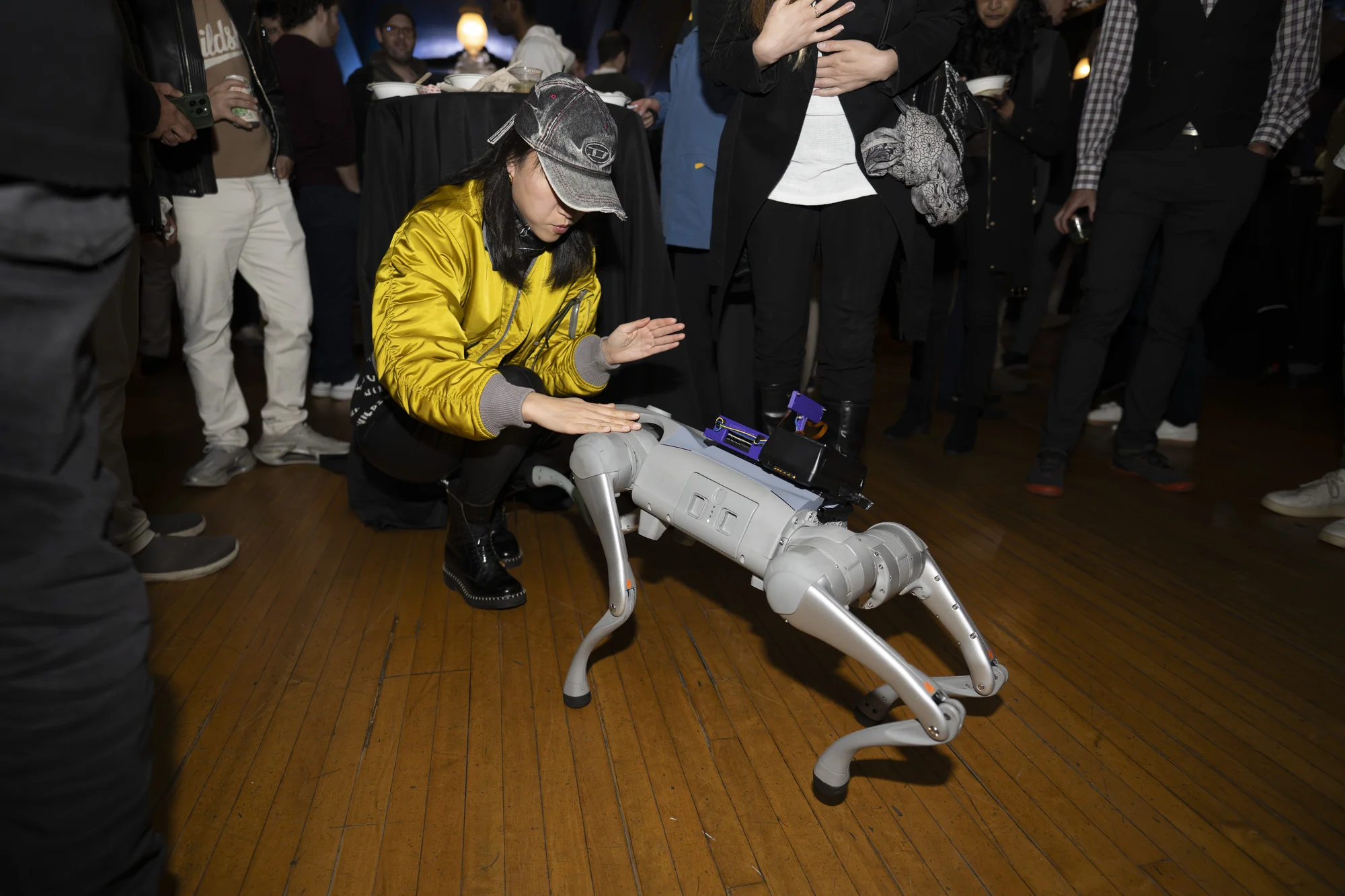
The afterparty continued downstairs with food, drinks, and conversations about what to build next.
Check out our YouTube channel for recaps of the keynote and individual demos.