Atlas works alongside your team in Slack to answer questions, automate tasks, and help everyone do their best work.
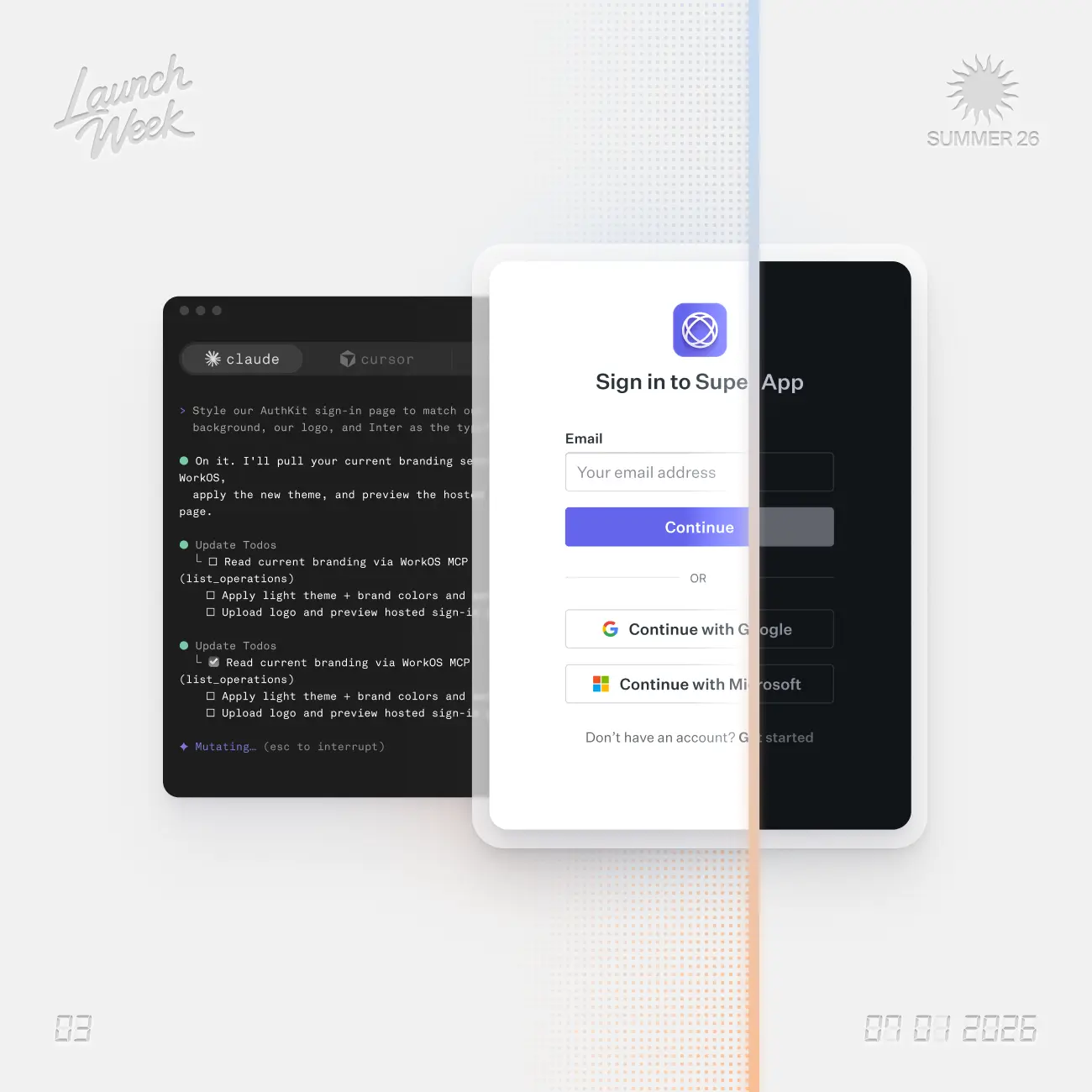
We are launching a remote MCP server that gives AI agents the same access to WorkOS as your dashboard login.
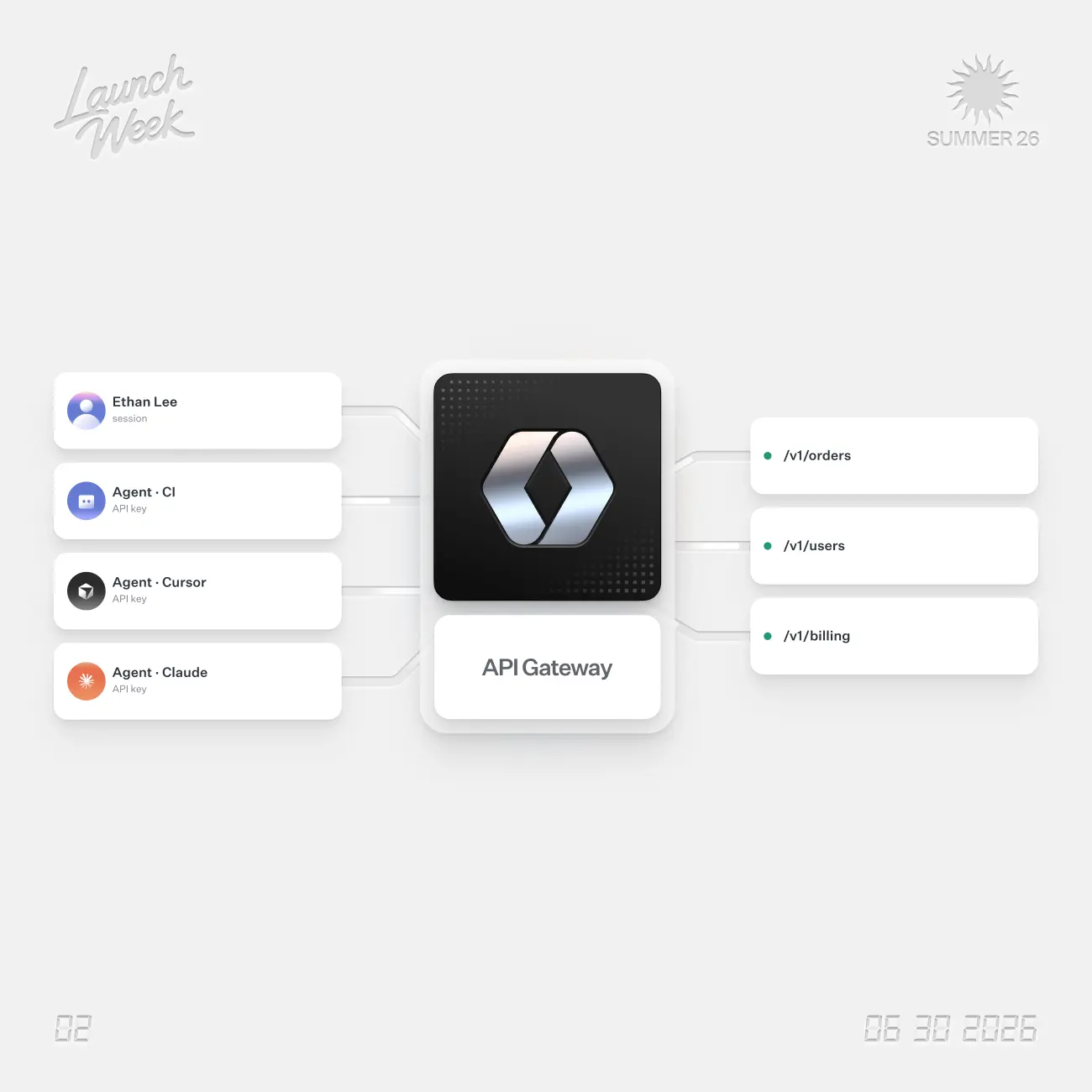
A managed gateway that handles API key verification, token decoding, and authorization so your backend does not have to.
Master secure authentication patterns across Django, FastAPI, and Flask, with production-ready examples for 2026.
A practical comparison of modern auth providers, trade-offs, and best practices for .NET apps.
A complete guide to authentication patterns, security best practices, and enterprise features in Next.js App Router.
As agents move at machine speed, your authorization layer must keep up. Today, we’re introducing WorkOS Fine-Grained Authorization, built for AI agents.
A practical comparison of modern auth providers, trade-offs, and best practices for Go apps and services.
How to choose the right authentication platform for your application and avoid a costly migration down the road.
A deep dive into Login CSRF risks and the layered security controls WorkOS uses to protect authentication flows.
A practical comparison of modern auth providers, trade-offs, and best practices for Flask apps.
A practical comparison of modern auth providers, trade-offs, and best practices for FastAPI apps.
A practical comparison of modern auth providers, trade-offs, and best practices for Laravel apps.
How Claude and ChatGPT became platforms, why MCP Apps are the new mobile apps, and what to build first.
A practical comparison of modern auth providers, trade-offs, and best practices for Remix apps.
A practical comparison of modern auth providers, trade-offs, and best practices for Node.js architecture.
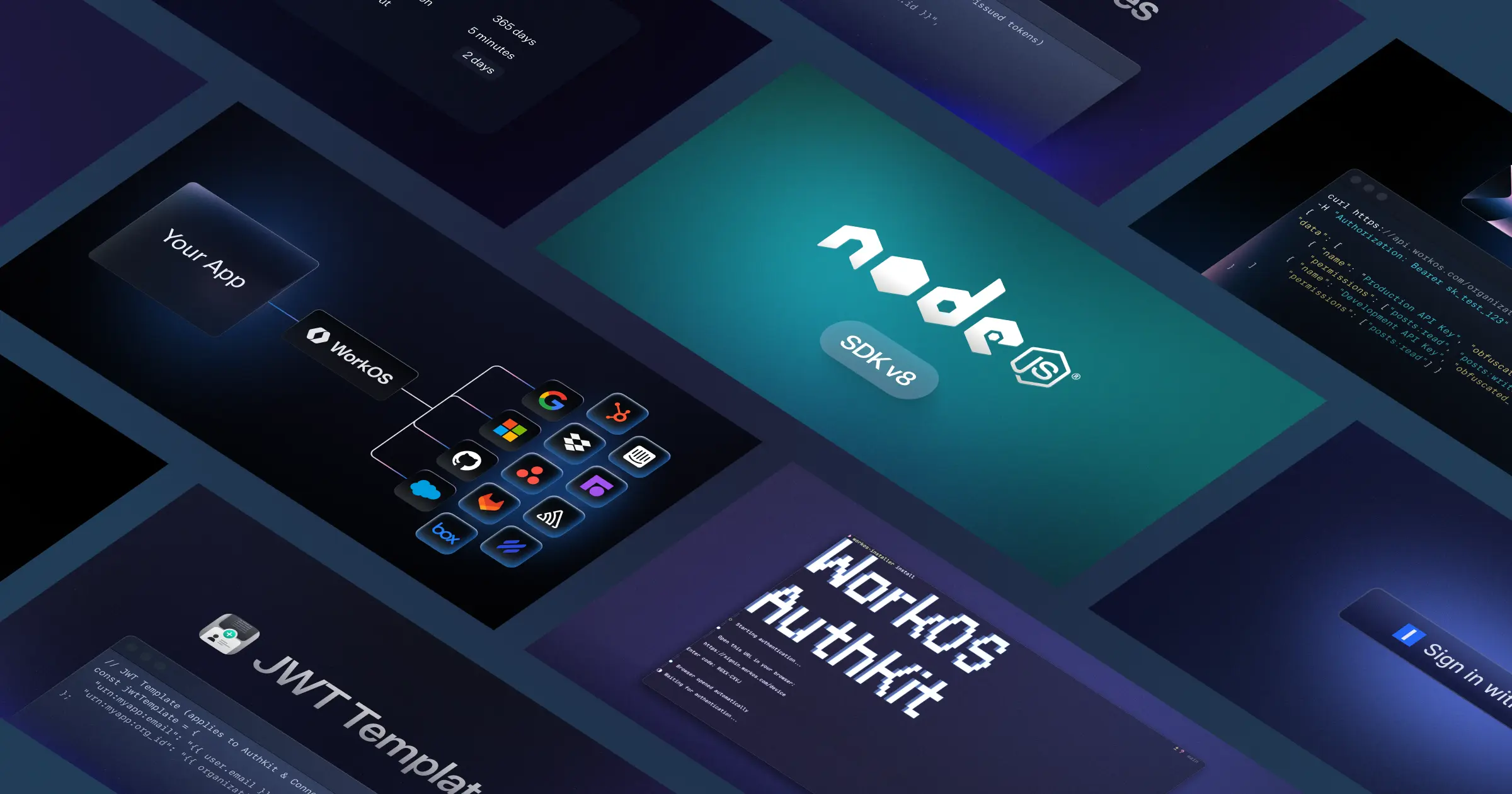
WorkOS AI-powered Installer, Node SDK v8, new Pipes providers, & more
A practical comparison of modern auth providers, trade-offs, and best practices for Rails apps.
Please try a different search
Our global team is growing and we’re hiring all types of roles.
WorkOS builds developer tools for quickly adding enterprise features to applications.
We use cookies for analytics and advertising. See our cookie policy for details.


.jpg)









.webp)

.webp)