Atlas works alongside your team in Slack to answer questions, automate tasks, and help everyone do their best work.
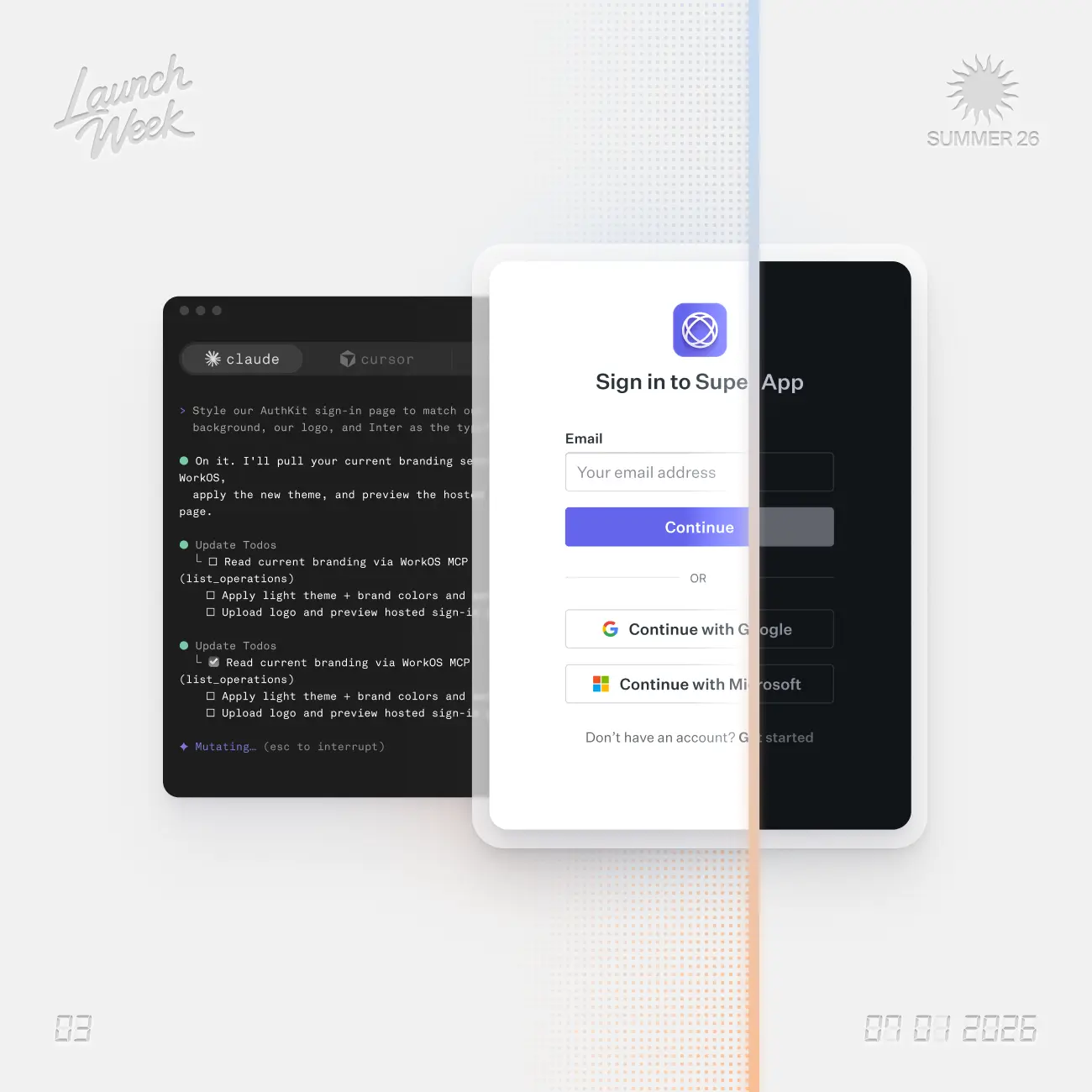
We are launching a remote MCP server that gives AI agents the same access to WorkOS as your dashboard login.
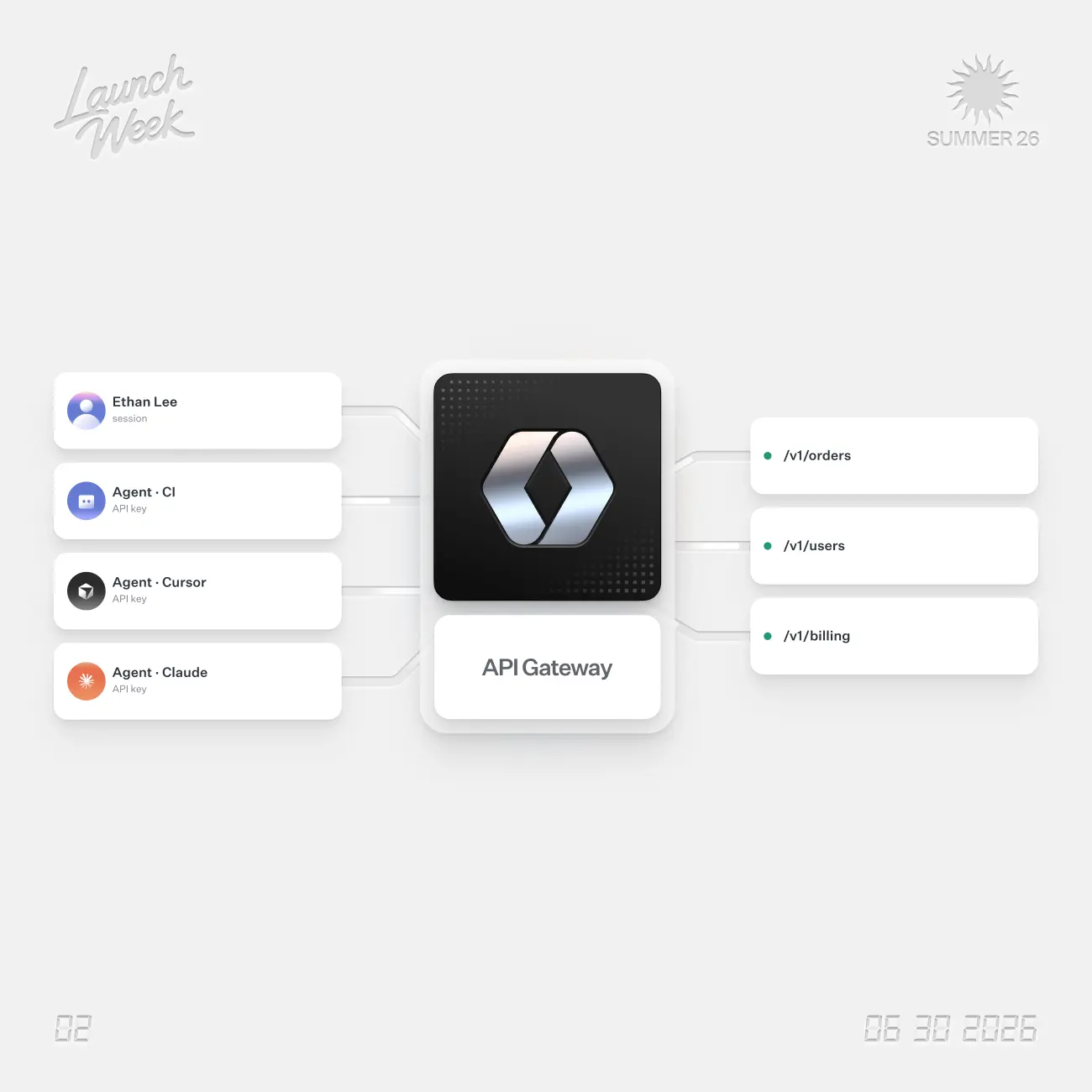
A managed gateway that handles API key verification, token decoding, and authorization so your backend does not have to.
Anthropic, OpenAI, Block, and the Linux Foundation discuss governing MCP together as the new Agentic AI Foundation launches with 50 companies on day one.
Michael Grinich traces MCP's evolution from local file system interface to industry standard, announces the Agentic AI Foundation, and walks through the latest spec updates.
Paul Irish shows how Chrome DevTools' MCP integration lets AI agents parse 15M-line performance traces and debug browser sessions programmatically.
Den Delimarsky demonstrates MCP's new auth flow—Protected Resource Metadata replaces Dynamic Client Registration for zero-config authentication.
Reilly Wood on why structured queries beat freeform commands at scale
Craig Cannon demos the Turbo-Man Tracker at MCP Night, showing how Supabase's MCP server turns natural language into SQL queries in real-time.
Cloudflare's Code Mode generates code instead of calling MCP tools directly—cutting token usage by 32% for simple tasks and 81% for complex batch operations.
A practical guide to choosing the right role-based access control provider for modern multi-tenant SaaS apps.
MCP Night, The Holiday Special, marked a historic moment: Anthropic donated MCP to the Linux Foundation, launching the Agentic AI Foundation. Demos from Cloudflare, Supabase, Datadog, Microsoft, and Google.
How Cross-App Access (XAA)—the access pattern standardized at the IETF as the Identity Assertion JWT Authorization Grant (ID-JAG)—lets enterprises manage MCP AI app connections through their IdP, with centralized visibility, policy control, and no consent fatigue.
The Linux Foundation unites MCP, goose, and AGENTS.md under open governance. WorkOS breaks down what the new Agentic AI Foundation (AAIF) means for developers.
A practical guide to OAuth’s original MCP onboarding method: how DCR works, where it breaks at scale, and why it still matters alongside CIMD.
Scalable, stateless client registration for AI agents: using a URL as your OAuth client ID to access MCP servers.
OAuth 2.0 and OIDC are no longer just for SSO or integrations; they’re the trust layer that makes AI agents safe, scoped, and governable.
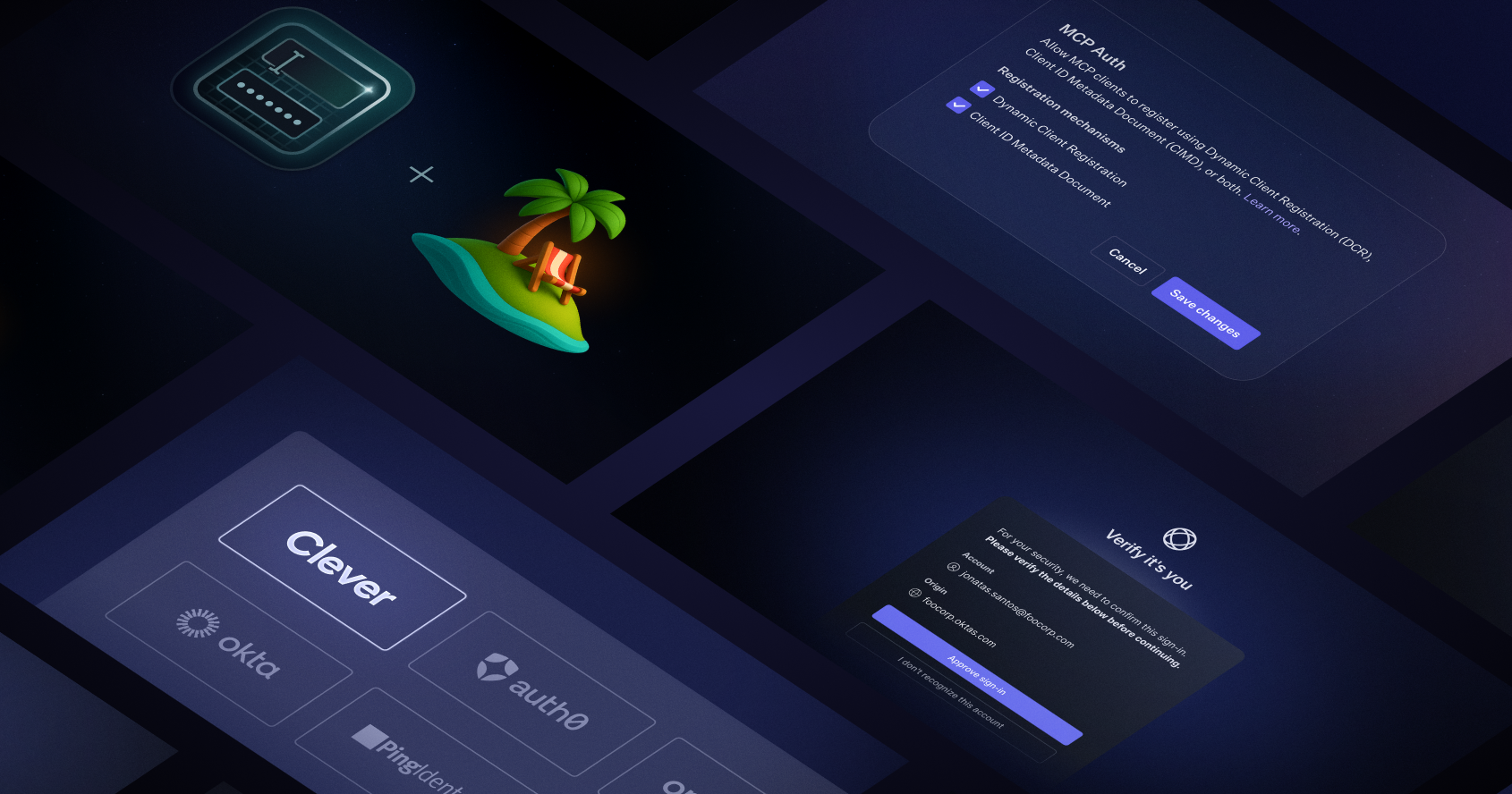
Strengthened SSO Security with Sign-in Consent, CIMD Support for MCP Auth, AuthKit SDK for TanStack Start, & more
Please try a different search
Our global team is growing and we’re hiring all types of roles.
WorkOS builds developer tools for quickly adding enterprise features to applications.
We use cookies for analytics and advertising. See our cookie policy for details.


.jpg)








.webp)

%20in%20MCP_650x650.webp)
_%20How%20OAuth%20client%20registration%20works%20in%20MCP%20650x650.webp)